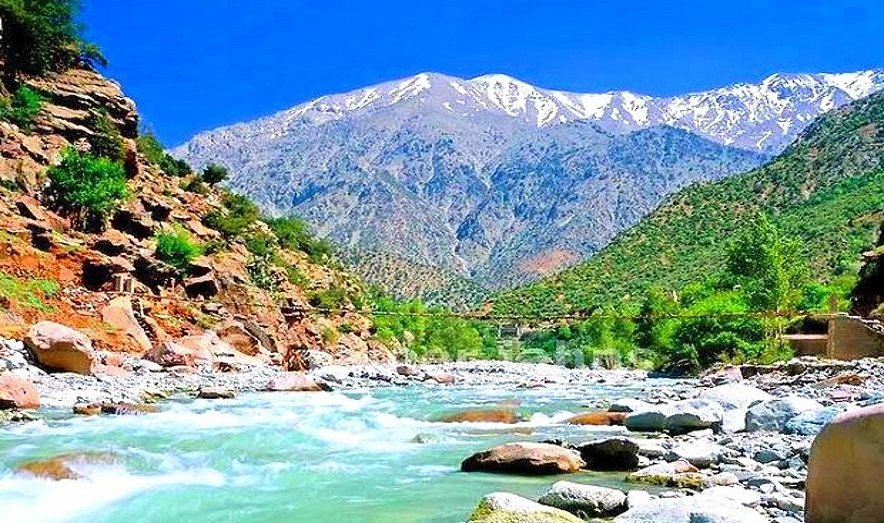
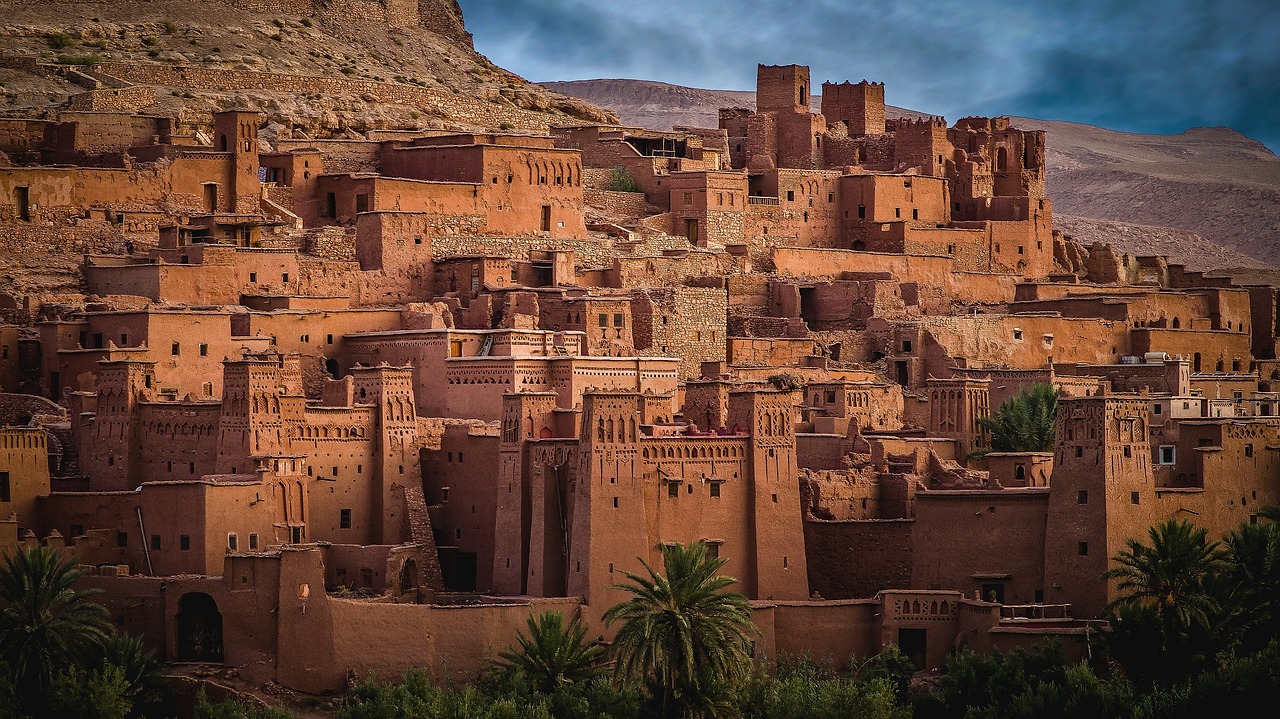
Nestled deep within the High Atlas range, far from the congested tourist arteries of Marrakech and the standard desert circuits, lies the Ait Boulli Valley. Often referred to by local Berber guides as the Happy Valley, this remote geographic pocket remains one of Morocco’s best-kept secrets. It is a world where terraced green fields cling to rust-red canyon walls, traditional pisé mud-brick villages merge seamlessly into the arid mountain slopes, and the rhythm of daily life is still dictated by pastoral seasons rather than tour bus timetables. For the independent traveler or the curious explorer seeking authenticity, Ait Boulli offers a profound encounter with rural Amazigh culture.
Navigating the Ascent: The Journey from Azilal
Reaching the Ait Boulli Valley requires commitment, a reliable vehicle, and a tolerance for winding mountain passes. The most logical gateway is the bustling provincial town of Azilal, situated roughly 165 kilometers northeast of Marrakech. From Azilal, the road snakes southeast deeper into the Central High Atlas, climbing steadily toward the heart of the valley.
Expect a driving time of approximately two to two-and-a-half hours from Azilal to the valley floor, covering around 60 kilometers of increasingly dramatic terrain. The final approach involves traversing the Tizi n’Illissi pass, which tops out at over 2,600 meters in elevation. While the primary asphalt road has seen significant improvements in recent years, local weather can change rapidly. If you are self-driving, a high-clearance vehicle is strongly recommended, particularly between November and March when snow can briefly block higher passes. Hiring a private transfer with an experienced local driver out of Fes or Marrakech eliminates the stress of navigation, allowing you to focus entirely on the jaw-dropping vistas of plunging gorges and walnut groves.
Villages Frozen in Time: Timichi and Agouti
Once you descend into the valley, time seems to decelerate. The road follows the meandering Oued Ahansal river system, passing through a string of striking traditional settlements. Agouti serves as the unofficial administrative hub and the primary starting point for multi-day trekking expeditions up toward M’goun, one of Morocco’s highest peaks.
Wandering through the narrow alleys of villages like Timichi reveals architectural ingenuity that has endured for centuries. Houses are constructed from compacted earth, straw, and stone, designed to retain warmth during freezing mountain winters and stay cool during scorching summers. You will frequently encounter local women carrying bundles of firewood or harvesting clover along the irrigation canals known locally as seguias. Unlike the heavily commercialized medinas of the imperial cities, interactions here are unscripted. A respectful “As-salamu alaykum” or the Amazigh greeting “Amussnaw” is invariably met with genuine warmth, often leading to an invitation to share a glass of sweet mint tea in a stone courtyard.
Hiking and Nomad Encounters on the High Plateaus
The true currency of Ait Boulli is its landscape, best experienced on foot. The valley acts as a natural amphitheater for trekkers, offering routes ranging from gentle day walks between villages to grueling multi-day ascents of the surrounding peaks.
During the warmer months between May and September, nomadic pastoralists from the Ait Atta tribe ascend from the arid southern slopes to graze their flocks of sheep and goats on the lush highland plateaus, known locally as azibs. A guided day hike from Agouti up toward the Tarkeddit plateau provides a rare window into this transhumance lifestyle. You will see black goat-hair tents pitched against limestone cliffs, where families live off the grid, producing their own cheese and butter. To undertake these higher routes safely and respectfully, hiring a certified local mountain guide from the valley is essential. Daily guide rates typically range from 300 to 450 MAD (approx. 30 to 45 EUR), injecting vital direct income into the local mountain economy.
Honest Practical Advice for the Independent Explorer
Visiting Ait Boulli requires a mindset distinct from traveling along Morocco’s Atlantic coast or imperial circuit. Infrastructure is intentionally rustic, which forms the core of its appeal.
Accommodation is primarily limited to simple, family-run gîtes d’étape (mountain guesthouses). Expect basic shared bathroom facilities, thick woolen blankets for chilly nights, and hearty, home-cooked tagines fueled by local produce. A night in a gîte, including dinner and breakfast, generally costs between 150 and 250 MAD (approx. 15 to 25 EUR) per person.
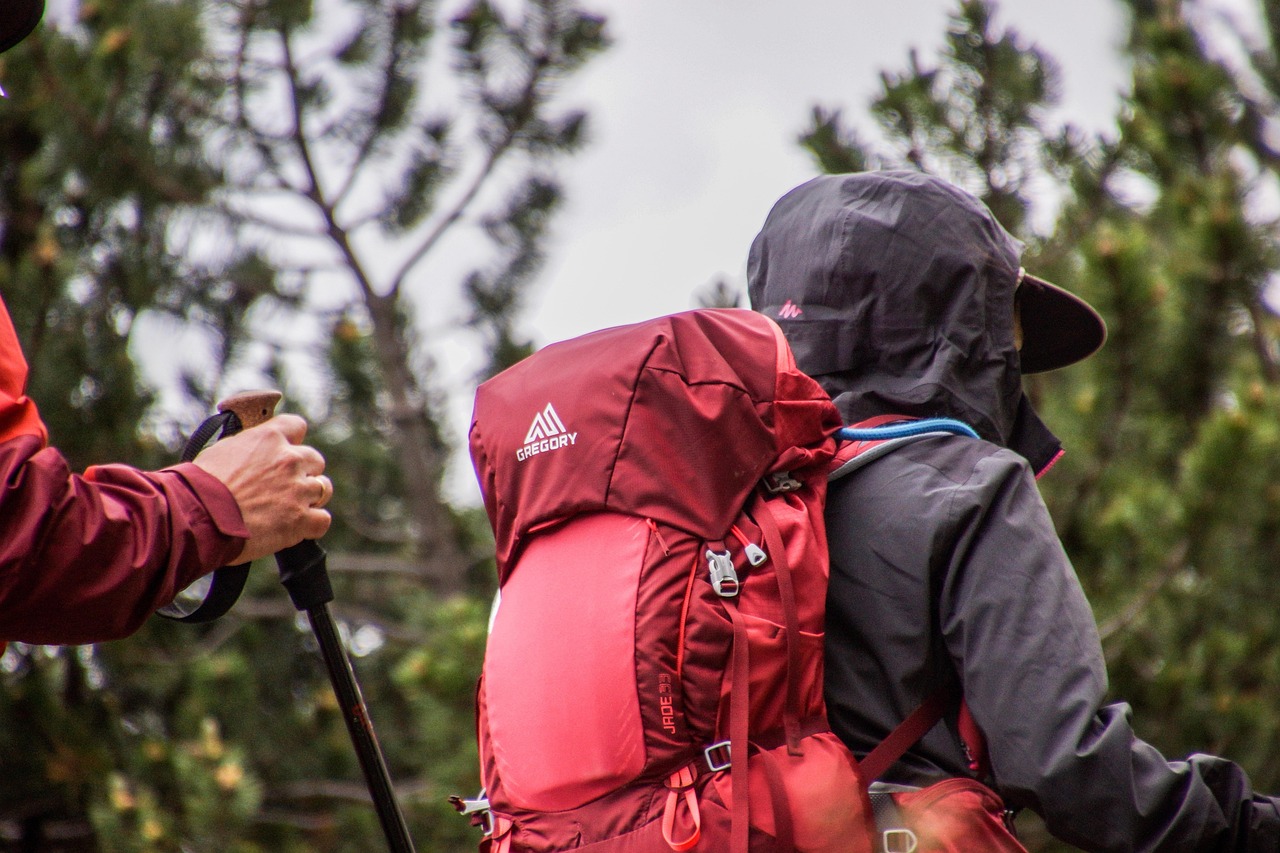
Cash is absolute king here. There are no reliable automated teller machines (ATMs) once you leave Azilal, and card acceptance is virtually nonexistent. Ensure you carry sufficient Moroccan Dirhams in small denominations to cover meals, local guides, and artisanal purchases. Furthermore, mobile network coverage can be sporadic to nonexistent depending on your carrier, making this an ideal destination for a genuine digital detox. Pack sturdy hiking boots, layers for fluctuating mountain temperatures, and a supply of personal medical essentials, as pharmacies are scarce outside the main towns.
To experience the profound silence and untouched landscapes of the Ait Boulli Valley with the seamless logistics and insider access that only a locally rooted team can provide, consider joining one of our customized private tours with Morocco Moment Tours out of Fes.