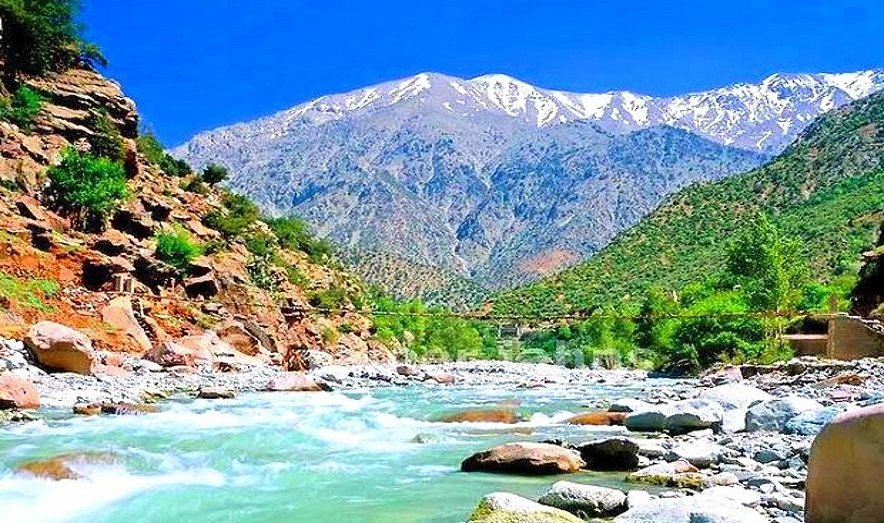
The High Atlas mountains rise like a jagged wall of red earth and limestone between the Atlantic coast and the northern edge of the Sahara. For centuries, footpaths beaten by muleteers, shepherds, and Amazigh villagers have connected remote valleys where time seems to fold inward. Today, these trails draw trekkers from around the globe who come to witness the snow-dusted peak of Jebel Toubkal, the highest summit in North Africa at 4,167 meters, or to traverse the terraced apple orchards of the Imlil valley. Yet this rising footfall brings a quiet strain. As an agency based right here in Fes, organizing journeys across the kingdom, we see firsthand how fragile these ecosystems are. Protecting the High Atlas requires more than good intentions; it demands mindful choices from every traveler who laces up their hiking boots.
Leave No Trace in the High Atlas Valleys
The foundational rule of responsible trekking takes on a specific urgency in Morocco’s mountain communities. Unlike the wilderness of North America or Scandinavia, the trails of the Atlas pass directly through living landscapes—pastures grazed by goats, water sources shared by households, and sacred groves protected by tradition. When trekkers leave behind plastic water bottles, energy bar wrappers, or wet wipes, these items do not simply vanish. Waste management infrastructure in remote outposts like Imlil, Armed, or the Ouirgane Valley is rudimentary at best, relying largely on burning or local landfills that leak into river systems.
Carrying out everything you carry in is essential, but preservation goes further. Human waste is a growing concern along high-traffic routes like the Toubkal ascent. On day hikes or multi-day circuits, use a trowel to bury solid waste at least 15 to 20 centimeters deep and well away from streams, springs, and trails, or pack out toilet paper entirely. By treating the mountain not as an open-air gym, but as someone else’s backyard and water source, you honor the communities that have stewarded these slopes for generations.
Support Local Economies Through Conscious Hiring
True sustainability in the Atlas extends beyond ecology into the socioeconomic fabric of the mountain villages. The traditional mountain infrastructure—muleteers, local mountain guides, and village guesthouses—sustains families who might otherwise be forced to migrate to crowded cities like Marrakech or Casablanca. When booking a trek, ensure your investment stays in the region by hiring certified local guides and mule teams directly through reputable operators rather than cutting corners with unlicensed intermediaries.
Official guides licensed by the Ministry of Tourism possess deep knowledge of the terrain, weather patterns, and Amazigh culture, while local muleteers navigate rocky scree with an expertise honed over lifetimes. Fair compensation is a cornerstone of ethical travel. Standard daily wages for a local guide generally range from 300 to 500 MAD (approx. 30 to 50 EUR), while muleteers and their animals earn around 200 to 250 MAD per day, which typically includes provisions for the animals. Tipping at the end of a trek is customary and forms a vital part of seasonal income; budgeting an extra 100 to 150 MAD per day from your group for the support team makes a tangible difference to household security.
Respect Local Culture and Dress Conservatively
The valleys of the High Atlas are predominantly inhabited by Amazigh communities whose traditions, hospitality, and Islamic faith shape daily life. While mountain villagers are remarkably welcoming to travelers, cultural preservation relies on mutual respect. Modest dress is essential, regardless of how warm the afternoon sun gets during a climb up to the Tazaghart plateau or the Azzaden Valley. Both men and women should wear clothing that covers shoulders and knees, particularly when passing through villages or staying in family-run gîtes d’étape.
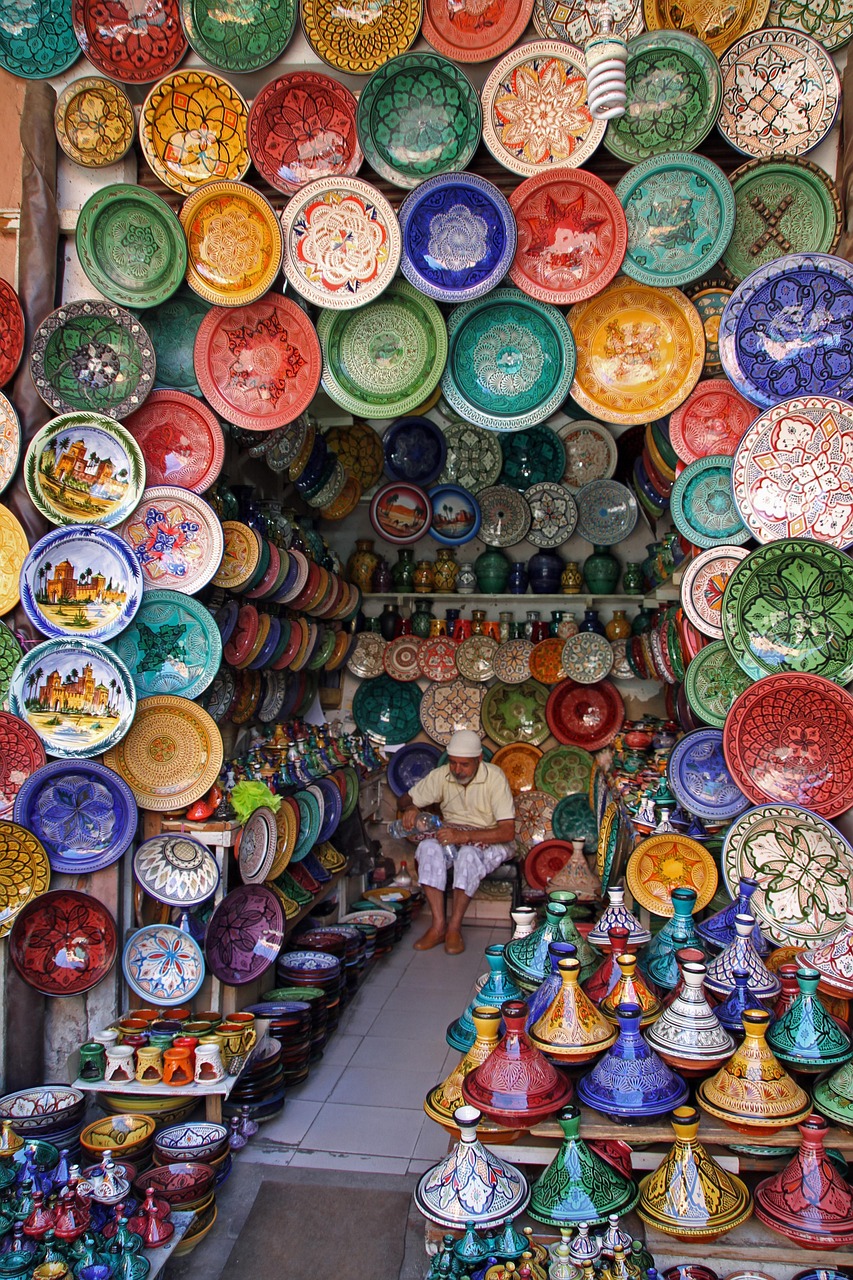
Photography is another area requiring mindfulness. Always ask for permission before taking portraits of locals, especially women and elders. If someone declines, smile and lower your camera. Purchasing locally crafted goods—such as hand-knitted woolen socks in Oukaïmeden or cold-pressed walnut oil from cooperatives in the Asni valley—directly supports traditional livelihoods. Learning a few words of Tashelhit or Standard Moroccan Amazigh, alongside Darija (such as “azul” for hello and “shukran” for thank you), breaks down cultural barriers far more effectively than any guidebook.
Conserve Precious Water Resources
Water is liquid gold in the Atlas Mountains. Springs and snowmelt feed the intricate network of seguias—traditional irrigation channels that nourish walnut groves, terraced barley fields, and vegetable gardens far below. During dry summer months, water scarcity is a daily reality for villagers. Trekkers must be acutely aware of their consumption, particularly when staying in village homes where water is manually hauled from wells or mountain springs.
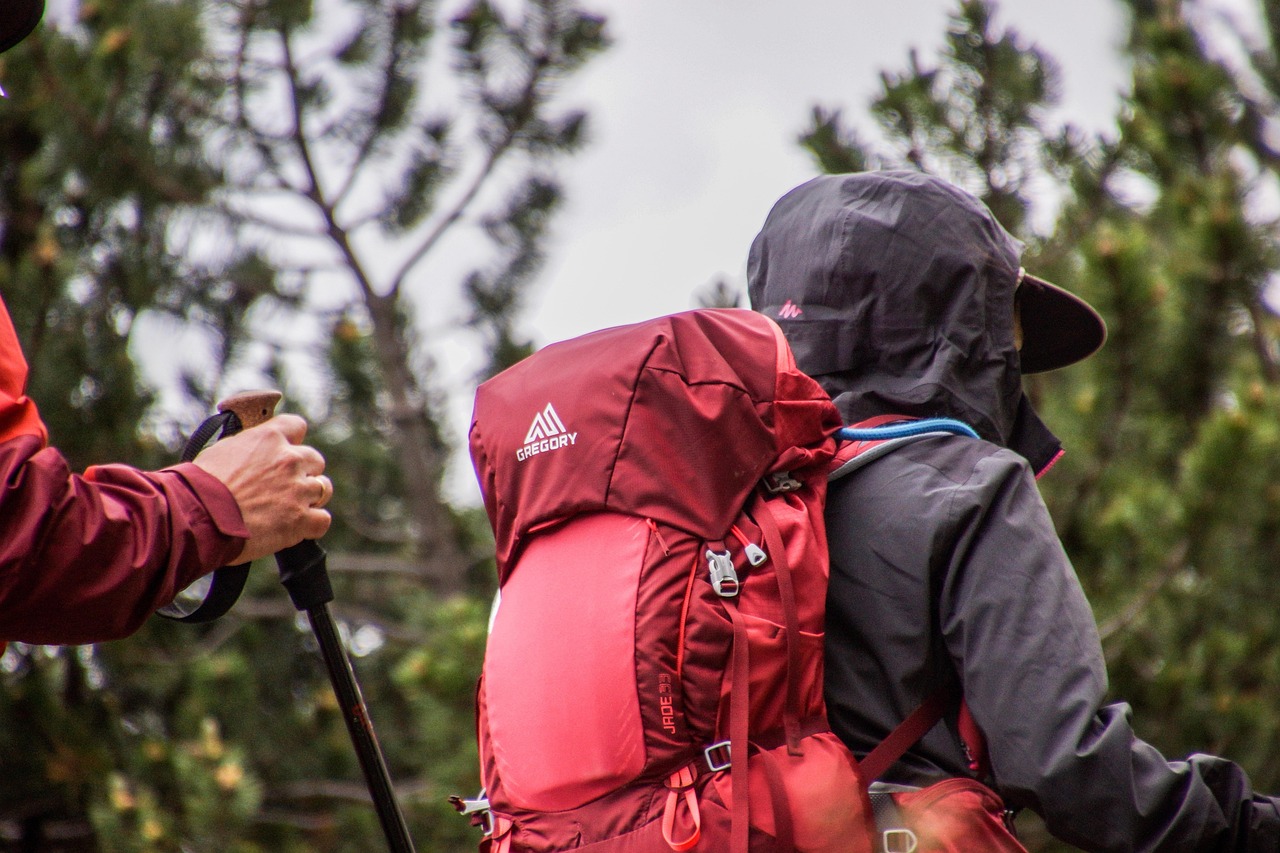
Avoid single-use plastic water bottles entirely by bringing a robust reusable bottle paired with an advanced purification system, such as chlorine dioxide tablets, a UV sterilizer, or a hollow-fiber membrane filter like a Sawyer squeeze. This simple habit prevents thousands of plastic bottles from littering the valleys each season. When washing up or brushing teeth, use biodegradable soap and distance yourself at least 60 meters from any natural water source to prevent chemical runoff from polluting fragile alpine streams.
Experience the breathtaking landscapes of Morocco’s interior with a deeper connection to the land and its people. Morocco Moment Tours designs private, tailor-made journeys departing from Fes, pairing expert local insights with a steadfast commitment to sustainable, community-focused travel across the High Atlas.