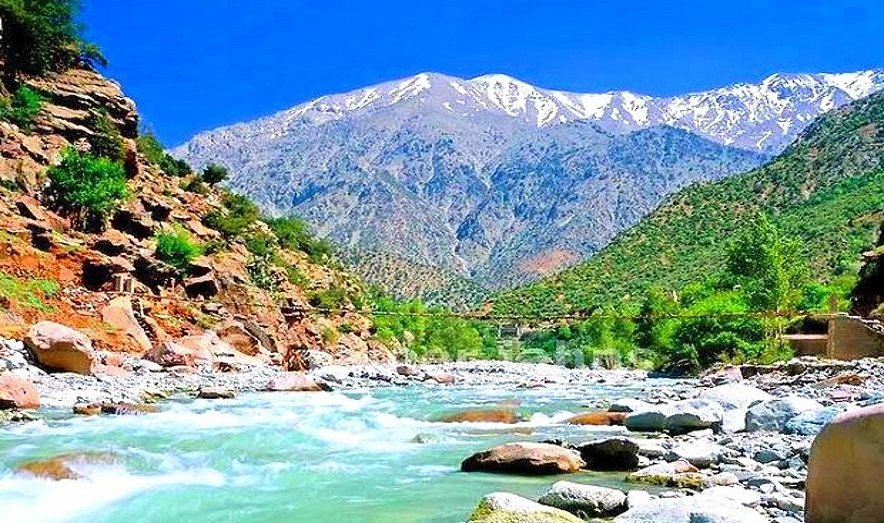
To understand the soul of Morocco, you have to leave the imperial cities behind and climb. When the paved roads give way to red-dirt tracks winding into the Atlas Mountains, the air thins, smelling faintly of wild rosemary and woodsmoke. Here, tucked into stone-and-pisé villages hanging off dramatic slopes, time moves differently. For centuries, Amazigh (Berber) families have welcomed travelers into their homes, offering a hospitality anchored not in luxury, but in the slow, sacred ritual of the hearth. At the center of this experience is the traditional tagine—not just a meal, but a masterclass in resourcefulness, patience, and flavor.
The Anatomy of the Earthen Vessel
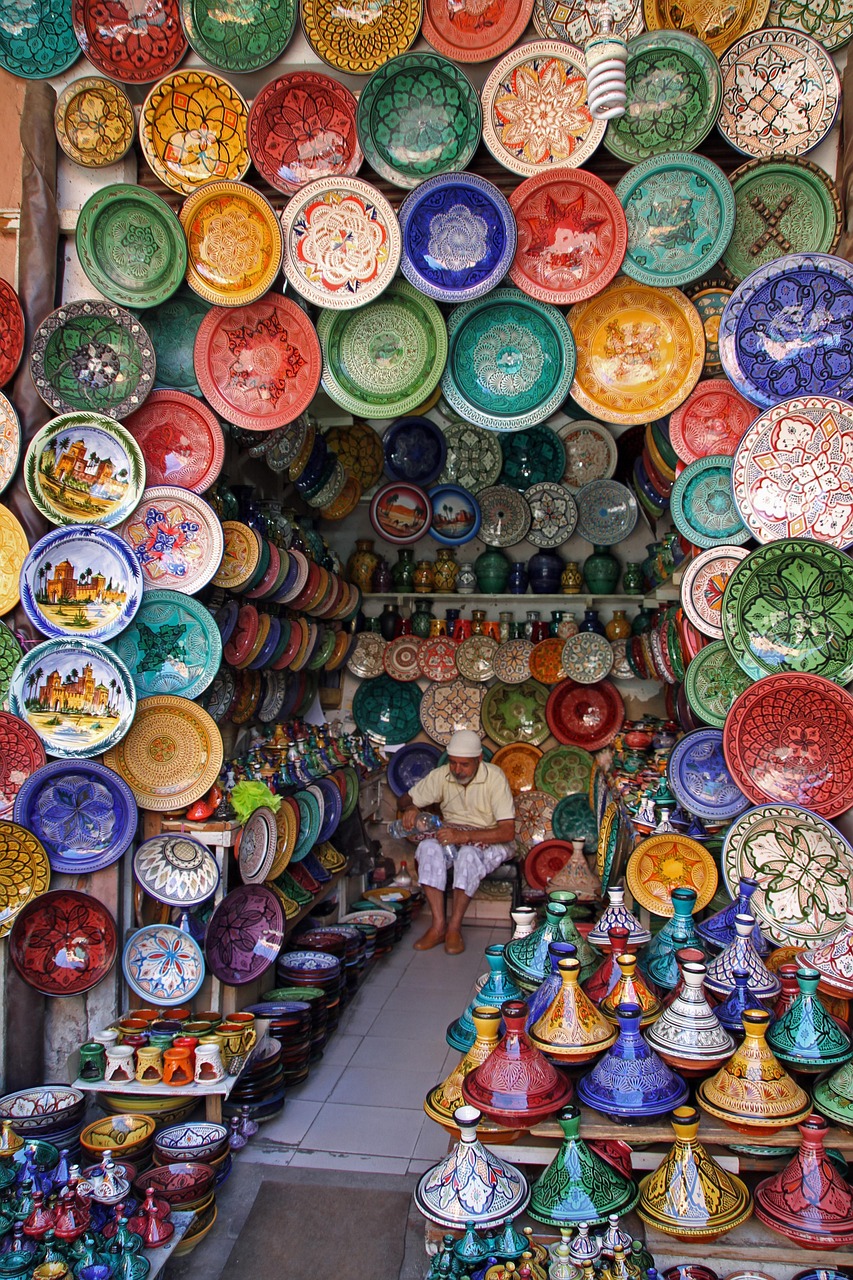
The magic of Berber cuisine begins with the cookware itself. Named after the conical clay pot in which it is both cooked and served, the tagine is an ingenious ancient invention designed for a land of scarce water. The unglazed red clay, sourced from local riverbeds and fired in rudimentary kilns, absorbs flavors over years of use.
Unlike the urban kitchens of Fes or Marrakech, where tagines are often started on gas burners, mountain cooking relies strictly on medfouna style—glowing embers harvested from a woodfire of oak or olive wood. As the conical lid traps steam, moisture rises, condenses against the cooler top, and drips back down onto the ingredients. This constant self-basting cycle creates meat so tender it yields to the mere suggestion of a fork, and vegetables that retain their distinct earthy sweetness. In high-altitude homestays around Imilchil or the Middle Atlas village of Bhalil, onions and root vegetables are layered at the very bottom without a drop of added water, relying entirely on their own juices and a generous glug of locally pressed green olive oil.
A Morning in the Village Kitchen
An authentic culinary homestay is participatory, beginning long before lunch. Around 9:00 AM, walking down the narrow, terraced alleys of a High Atlas hamlet like Armed—situated roughly 65 kilometers south of Marrakech above the valley floor—you might join your host, Fatima, to source ingredients.
There are no supermarkets here. Instead, provisioning means visiting a neighbor with a surplus of walnuts, or picking a handful of mountain thyme (za’atar) from the rocky hillside. Back in the cool, windowless interior of the stone house, preparation is meditative. Meat—typically mutton from hill-grazing sheep or free-range chicken—is rubbed with a restrained blend of hand-pounded ginger, saffron, sweet paprika, and a touch of salt. No garlic-heavy pastes or complex ras el hanout spice mixes dominate mountain tagines; the philosophy here is that high-altitude ingredients speak for themselves.
Sitting on woven rush mats around a low wooden table, guests watch as seasonal elements are stacked in concentric circles: a foundation of thick-cut onions, the spiced protein in the center, and a crown of green beans, carrots, or preserved lemons with cracked green olives. The pot is sealed, set over the glowing embers, and left undisturbed for nearly two hours. The only sound is the gentle, rhythmic hiss of steam escaping the crown of the clay cone.
The Afternoon Feast and Bread Ritual
When the tagine is finally unsealed, the sensory reward is immediate. The steam carries a rich, aromatic weight that fills the rustic dining room. But eating a Berber tagine is incomplete without its companion: khobz lferran, the dense, round village bread baked in communal wood-fired ovens (ferran).
In mountain communities, women knead the dough of locally milled durum wheat and barley early every morning, marking each loaf with a thumbprint to identify it at the neighborhood oven. At mealtime, cutlery is absent. Instead, you break off a jagged piece of warm, crusty bread, pinch a piece of tender mutton and caramelized onions between your thumb and forefinger, and scoop. Meals are communal, eaten from the central vessel, washed down with copious glasses of sweet, heavy-mint green tea poured from a great height to create a frothy crown.
For travelers looking to experience this firsthand without committing to a rugged multi-day trek, day trips from Fes into the nearby Middle Atlas cedar forests—such as the region around Azrou, roughly 85 kilometers away—offer accessible homestay and family-hosted lunch opportunities where you can witness this exact culinary tradition in Berber settlements.
Practical Advice for the Mountain Table
While homestay dining is an unforgettable cultural bridge, visiting remote mountain communities requires a degree of cultural awareness and practical preparation.
If you are arranging an independent visit, expect very basic facilities. Rural Amazigh homes traditionally feature simple squat toilets, and hand-washing stations with cold running water. It is customary to remove your shoes before stepping onto carpets, and to wash your hands before and after the meal using a pitcher and basin brought to the table.
Financially, while monetary transactions are increasingly common, cash is king in the mountains. Carry small Moroccan Dirham (MAD) denominations—notes of 20, 50, and 100 MAD. A home-cooked lunch with a local family typically ranges from 70 to 150 MAD (roughly 7 to 15 EUR) per person, which covers the tagine, bread, fruit, and endless rounds of tea. If you are staying overnight, expect to pay around 200 to 400 MAD per person, including dinner and breakfast. Always pay your hosts directly and fairly; in isolated villages, tourism provides a vital secondary economy that keeps families on their ancestral land.
Finally, keep an open mind about timing. In the mountains, meals are not rushed to fit an itinerary. If your host stops to greet three different neighbors on the way to the communal oven or spends an extra twenty minutes coaxing stubborn embers, lean into the unhurried pace. The best tagines cannot be rushed, and neither can the mountain way of life.
To experience authentic Berber hospitality and home-cooked culinary traditions away from the tourist crowds, Morocco Moment Tours designs private, customized journeys through the Atlas Mountains departing directly from Fes. Let our local experts connect you with genuine mountain families for a truly immersive cultural table.