Just an hour and a half south of the red-clay bustle of Marrakech, the road splits toward the High Atlas. For travelers seeking a breath of crisp mountain air away from the medina, two legendary river valleys dominate the conversation: Ourika and Imlil. While both slice deep into North Africa’s highest mountain range, they offer wildly contrasting experiences. Choosing between them depends entirely on your travel style, energy levels, and what you want from your day in the mountains. As local specialists based out of Fes who regularly guide travelers across the Atlas, we break down the distinct character of each valley to help you decide which deserves a spot on your itinerary.
The Ourika Valley: Accessible Scenery and Riverside Leisure
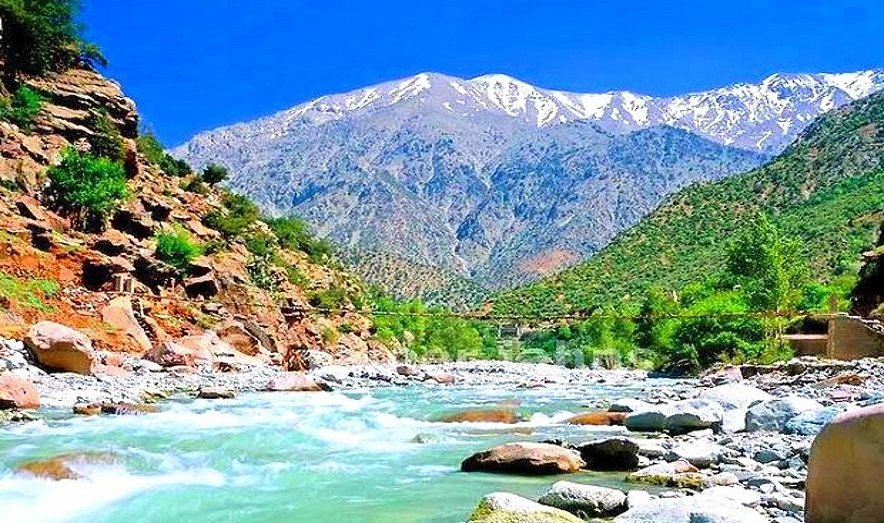
The Ourika Valley is the quintessential easy escape from Marrakech. Stretching north-to-south along the rushing Oued Ourika, this valley is characterized by deep red earth, terraced agriculture, and a string of lively villages that cling to the canyon walls. Because it is the closest mountain escape from the Ochre City—roughly 35 to 45 kilometers, or a 60-to-90-minute drive depending on traffic—it is the most popular day trip in the region.
The atmosphere here is relaxed, social, and geared toward leisurely exploration. The signature experience is visiting Setti Fatma, a village at the end of the paved road where a series of seven waterfalls tumble down the mountain. Navigating the lower falls requires a short, relatively easy walk, though the upper paths get quite steep and rocky. Local guides are always waiting at the trailhead to assist visitors over the trickier boulder scrambles, usually for a modest tip of around 50 to 100 MAD (approximately 5 to 10 EUR).
One of Ourika’s greatest charms is its dining culture. Along the riverbanks in villages like Tnin Ourika and Setti Fatma, restaurateurs place plastic tables and chairs directly in the shallow water of the river. Dining here means eating a classic Moroccan tagine—often chicken with preserved lemon and olives—with your feet dangling in the cool, rushing water. It is undeniably tourist-oriented and can feel crowded on weekends when Marrakech residents head up to beat the heat, but the vibrant energy and accessibility make it a wonderful option for families or those seeking low-impact scenery.
Imlil Valley: Alpine Drama and the Trekking Capital
If Ourika is about relaxed leisure, Imlil is about rugged adventure. Located deeper in the High Atlas at the foot of Mount Toubkal, North Africa’s highest peak at 4,167 meters, Imlil is a dramatic mountain hub sitting around 65 kilometers south of Marrakech. The drive takes about 90 minutes to two hours, winding steadily upward past Asni until the road terminates in the bustling mountain village of Imlil.
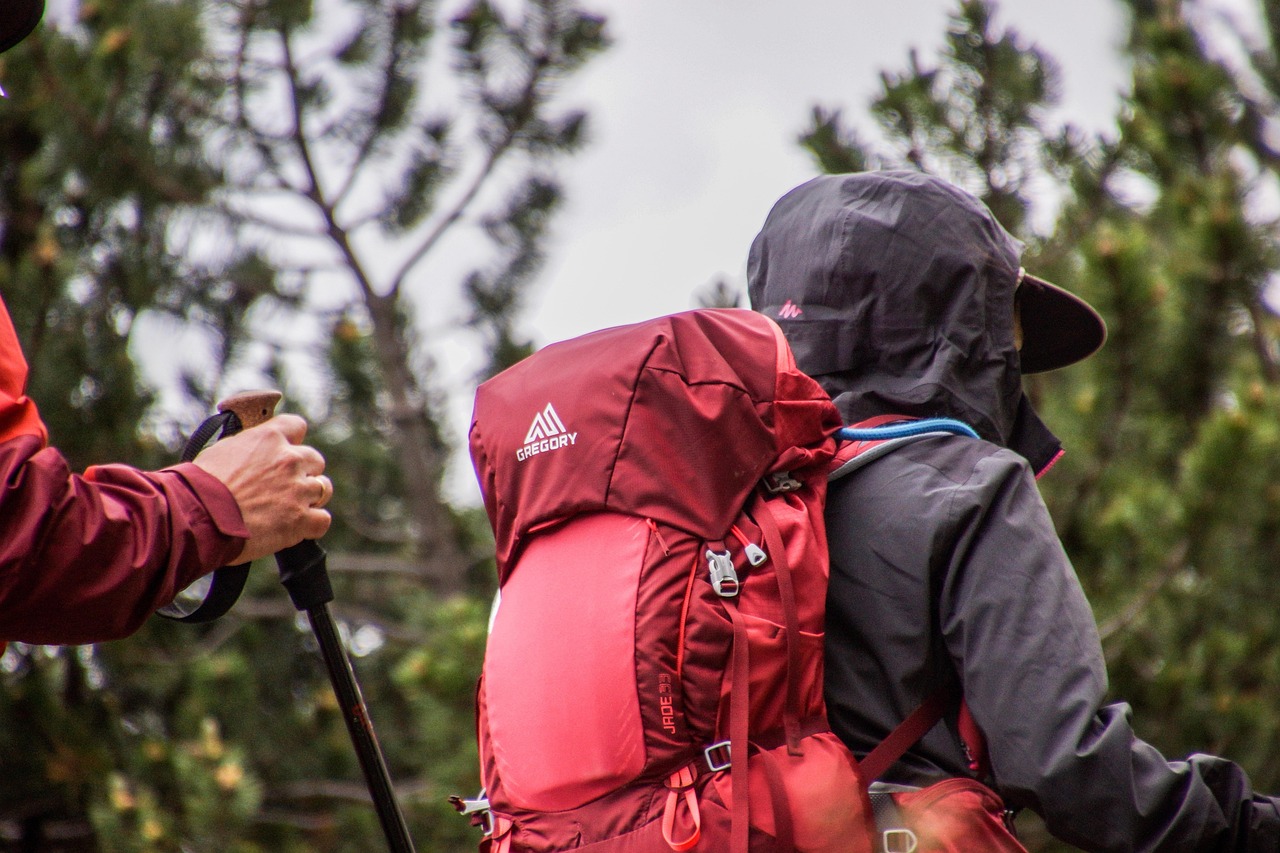
The air here is noticeably thinner and cooler, carrying the scent of pine, walnut groves, and wood smoke. Imlil is the undisputed capital of Moroccan mountaineering. Unlike the roadside bustle of Ourika, Imlil demands that you get out of the car and walk. The valley is crisscrossed by ancient mule tracks that connect Berber settlements perched precariously on steep slopes, such as Aït Souka and Armed.
A standard day in Imlil usually involves a moderate hike led by a local mountain guide. Trails wind past terraced walnut orchards, irrigation channels carved into sheer rock faces, and traditional stone-and-mud houses. For those looking for panoramic views without a grueling climb, a walk up to the Kasbah Tamadot area or the high village of Armed offers sweeping vistas of snow-dusted peaks and deep gorges. The vibe here is athletic, earthy, and deeply connected to traditional Amazigh (Berber) mountain culture.
Comparing the Logistics, Costs, and Crowds
Understanding the practical differences between the two valleys helps align expectations with reality. In terms of sheer logistics, Ourika requires less effort. A private grand taxi or driver from Marrakech to Ourika costs roughly 400 to 600 MAD (40 to 60 EUR) for a half-day or full-day hire. Because the road is lower in elevation, it is rarely closed by weather, making it a reliable year-round destination. However, the sheer volume of tour buses and private cars can create bottlenecks, particularly around Setti Fatma during peak summer months.
Imlil involves a slightly longer journey and more physical commitment, making it feel more like a genuine expedition. Hiring a private driver from Marrakech to Imlil typically runs between 500 and 700 MAD (50 to 70 EUR) for the day. Once in Imlil, hiring an official local mountain guide for a half-day or full-day walk is standard practice and highly recommended, with rates generally ranging from 300 to 500 MAD (30 to 50 EUR). While Imlil can get busy during July and August and the crisp weekends of autumn, its vast network of trails means it is much easier to escape the crowds and find absolute silence compared to the linear paths of Ourika.
Which Valley Suits Your Travel Style?
Ultimately, the choice between Imlil and Ourika boils down to how you prefer to experience the landscape.
Choose the Ourika Valley if you are traveling with young children or older adults, prefer a leisurely pace, and want to enjoy a tagine with your feet in the river. It is ideal for travelers who want a taste of Atlas scenery without heavy physical exertion, or those working with a tight afternoon schedule.
Choose the Imlil Valley if you are an active traveler, photographer, or hiker who wants to immerse yourself in alpine scenery and authentic mountain village life. If the idea of walking mountain paths beneath towering peaks appeals to you more than browsing roadside souvenir stalls, Imlil is the clear winner.
For travelers designing a comprehensive Moroccan journey that includes the imperial grandeur of Fes alongside the Atlas peaks, a private itinerary ensures a seamless transition between destinations. At Morocco Moment Tours, we design bespoke private journeys tailored precisely to your pacing and interests, ensuring every mountain excursion matches your ideal travel style.