Mount Toubkal stands as the towering roof of North Africa, piercing the sky at 4,167 meters in the heart of the High Atlas. For travelers gazing at the jagged silhouettes of the Toubkal massif from the ancient red alleys of Marrakesh or the winding blue streets of Fes, a trek into these mountains represents the ultimate Moroccan adventure. Yet, a fundamental question divides hikers before they even lace up their boots: should you aim for the bustling energy of the mountain refuge, or push through the scree fields to stand on the literal summit?
The choice between stopping at Toubkal Base Camp and pressing on to the highest point is not merely a matter of stubbornness. It is a defining decision about how you wish to experience the Atlas, how your body reacts to thin air, and what kind of physical challenge you are genuinely seeking.
The Ascent to Refuge: Toubkal Base Camp Demystified
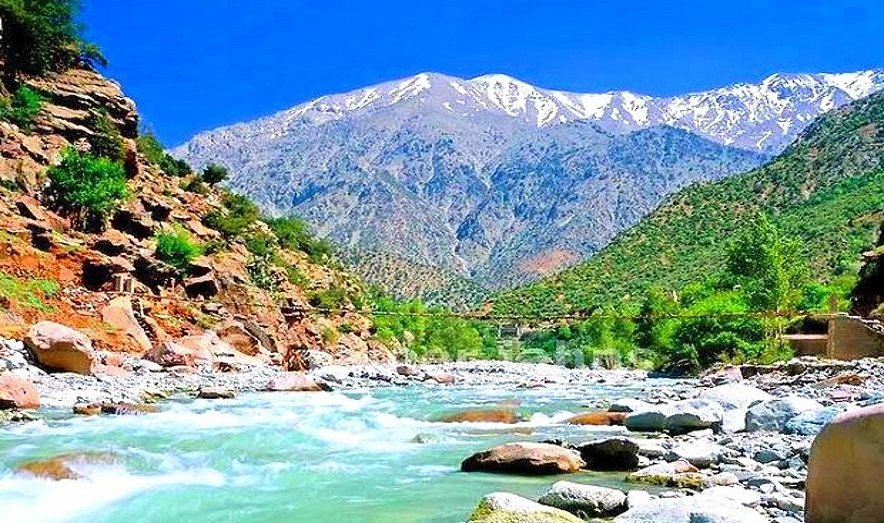
For many trekkers, the journey to the Nelnetti and Mouflon refuges—collectively known as Toubkal Base Camp—at 3,207 meters is an achievement in its own right. The standard route begins in Imlil, a verdant Berber village nestled in the Mizane Valley about 65 kilometers south of Marrakesh. From Imlil, the trail winds upward past the shrine of Sidi Chamarouch, a massive white-painted boulder clinging to the cliffside that serves as a pilgrimage site and a popular tea stop.
The trek from Imlil to Base Camp covers roughly 10 to 11 kilometers, but it is the vertical gain that commands respect. You will ascend nearly 1,500 meters over the course of five to seven hours. The terrain transitions gradually from shaded walnut groves and terraced apple orchards to barren, wind-scoured alpine valleys where the landscape turns the color of rust and slate.
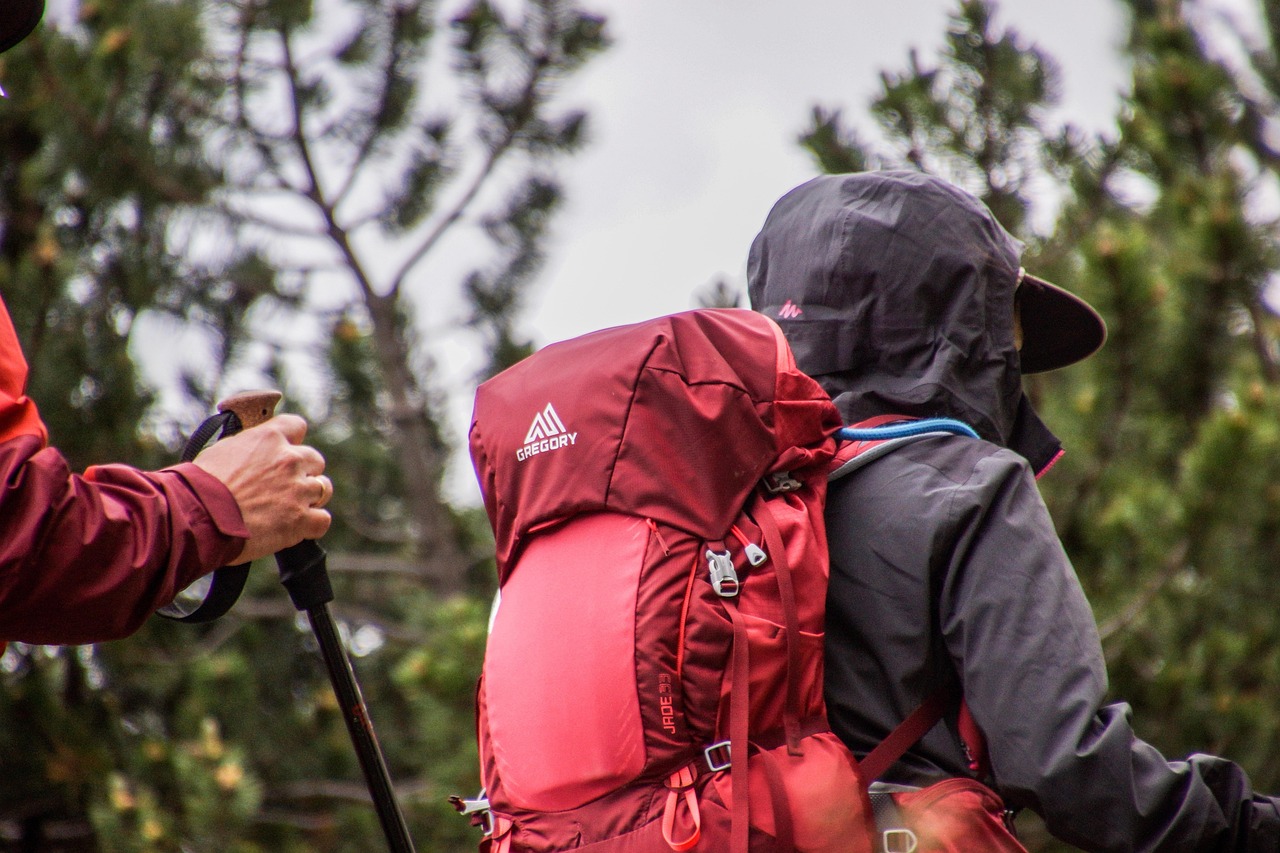
This option suits hikers with a moderate level of cardiovascular fitness who enjoy day walks and mountain scenery but prefer to avoid grueling physical extremes. You will carry a daypack while mules haul your heavier gear, staying overnight in a mountain refuge or a pitched tent. The atmosphere at Base Camp is electric, filled with international mountaineers, local guides sharing steaming pots of sweet Moroccan mint tea, and the palpable anticipation of pre-dawn summit bids. Ballpark costs for a guided two-day trek from Imlil to the refuge, including local mountain guides, mule support, and meals, typically range from 1,200 to 2,000 MAD (approximately 110 to 180 EUR) per person, depending on group size.
The Summit Push: Conquering the Roof of North Africa
If Base Camp is an exercise in endurance, the push to the true summit of Mount Toubkal is a test of sheer willpower and high-altitude breathing. The alarm sounds long before dawn, often around 4:00 or 5:00 AM. Stepping out of the refuge, you are met with freezing temperatures, a biting wind, and a sky choked with more stars than you likely ever thought possible.
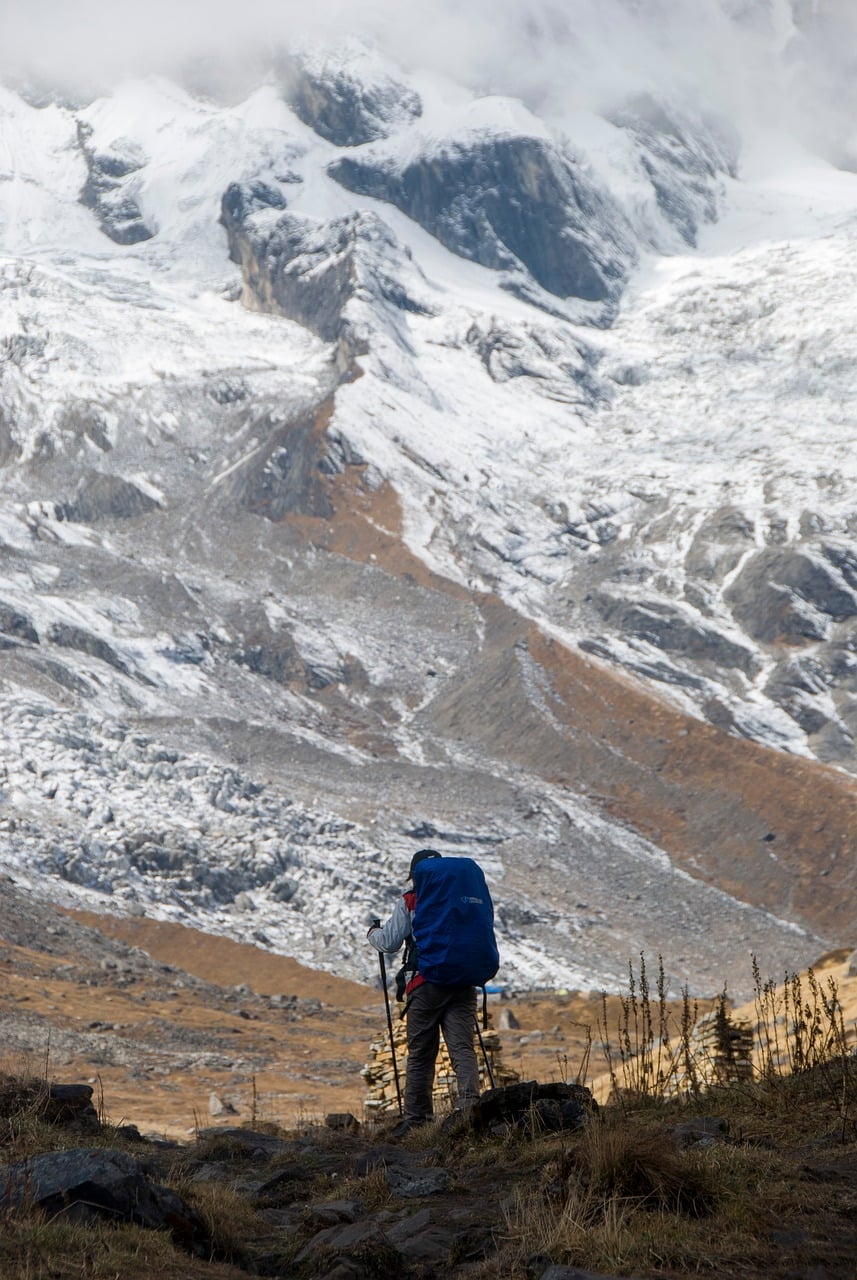
The climb from Base Camp to the summit adds another 960 vertical meters packed into just 3 to 4 kilometers of distance. That steep ratio tells the story: the trail is relentless, unyielding, and steep. You will climb through a sprawling valley of loose shale, known locally as scree, where every two steps forward often result in one sliding backward. As you cross the south col and approach the ridge, the altitude—now exceeding 3,800 meters—begins to heavy your limbs and thin your breath.
This tier demands a high level of physical fitness, previous experience with high-altitude hiking, and robust mental resilience. You do not need technical mountaineering skills during the snow-free summer and autumn months, but you do need stamina that can endure steep gradients in oxygen-depleted air. Standing on the summit, marked by a iconic tripod structure, rewards you with a panoramic sweep of the Atlas range rolling away toward the distant Sahara Desert on clear days.
Assessing Your Fitness: Realities of Altitude and Recovery
When deciding between the two goals, pride often clouds honest self-assessment. Fitness in the gym does not automatically translate to fitness at 4,000 meters. The human body reacts uniquely to hypoxia, and symptoms of mild acute mountain sickness—such as headaches, fatigue, and nausea—can affect even elite athletes if they ascend too quickly.
If you struggle with long, steep stair climbs at sea level, suffer from severe vertigo on loose terrain, or prefer a relaxed pace that allows for photography and cultural immersion, the journey to Base Camp offers a deeply rewarding alpine experience without the misery of altitude sickness. It allows you to sleep under the high-altitude stars, witness dramatic mountain sunrises, and immerse yourself in the rhythm of the High Atlas without pushing your cardiovascular system to its absolute breaking point.
Conversely, if you regularly trail run, engage in long-distance endurance sports, and have successfully hiked at high altitudes before, stopping at the refuge might leave you with a lingering sense of unfulfilled potential. The key is listening to your body on the mountain. Many trekkers aim for the summit but consciously choose to turn back at the col if the altitude proves too demanding, turning a potential failure into a wise decision that still yields a magnificent two-day mountain adventure.
Practical Planning for the High Atlas
Whichever altitude you target, preparation remains essential. The weather in the High Atlas is notoriously fickle. Even in May, a sudden snow squall can descend upon the higher elevations, while summer afternoons frequently bring dramatic thunderstorms. Pack layers that include moisture-wicking base layers, insulating fleece or down jackets, and a reliable hardshell waterproof jacket. Sturdy, broken-in trekking boots with ankle support are non-negotiable for the rocky, uneven descents back toward Imlil.
Hiring a certified local mountain guide is both a legal requirement in certain zones and a practical necessity for safety, navigation, and cultural enrichment. Local guides from the valleys possess an intrinsic understanding of weather patterns and the physical demands of the massif.
For travelers seeking a seamless transition from the intricate medinas and historical monuments of Fes into the rugged wilderness of the High Atlas, Morocco Moment Tours designs private, tailor-made journeys that handle all logistics—from private transport and expert local mountain guides to comfortable accommodations—allowing you to focus entirely on the trail ahead.