Traveling with teenagers can sometimes feel like an extreme sport. Between the eye-rolls, the Wi-Fi withdrawals, and the constant search for food, finding a vacation that engages the whole family is a challenge. Enter the High Atlas Mountains of Morocco. Just a short drive south of Marrakech or west of Fes, this dramatic landscape offers the ultimate antidote to screen fatigue. By combining invigorating day hikes with authentic Berber homestays, you get an adventure that naturally bridges the generational gap, offering teenagers real cultural immersion without the forced educational tone.
Why the High Atlas Works for Teens
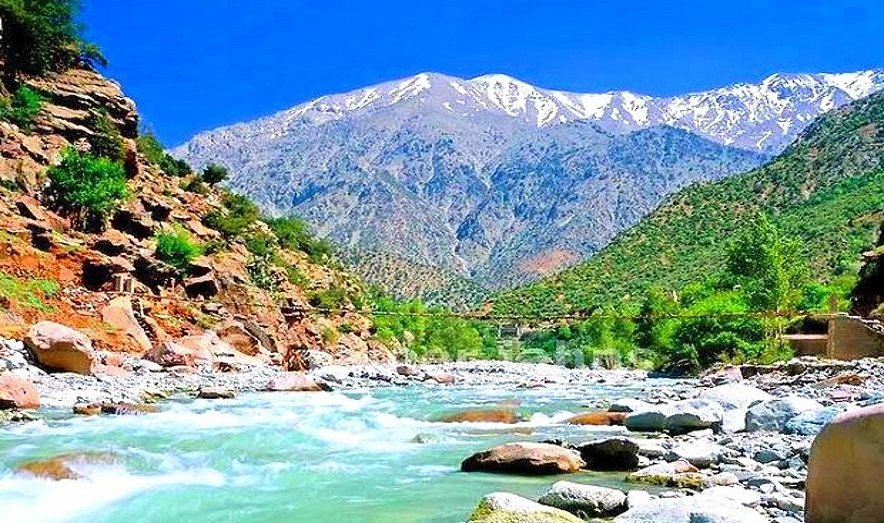
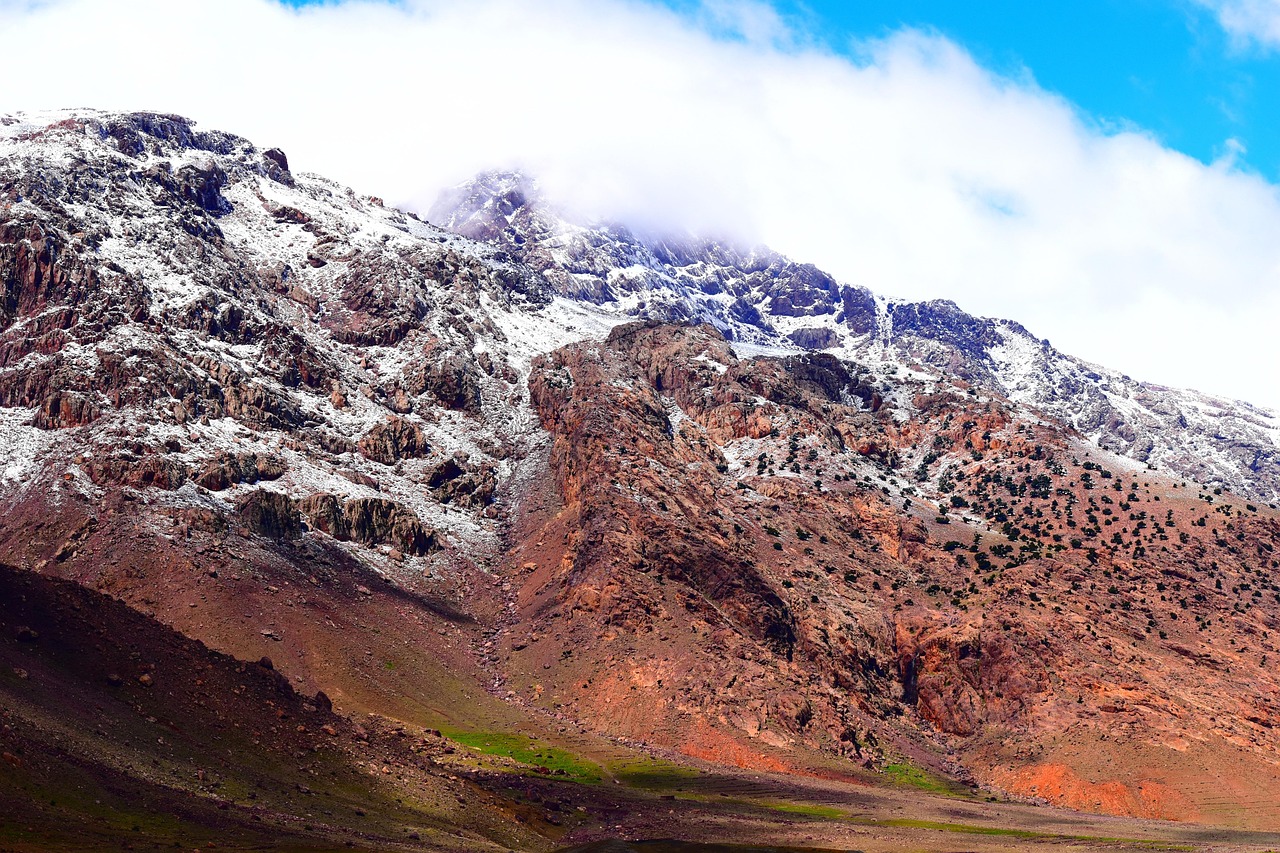
Teenagers crave autonomy, physical challenge, and novelty—all of which the Atlas Mountains deliver in abundance. Unlike flat city tours or passive resort stays, mountain trekking requires active participation. The sheer scale of the landscape, with peaks soaring past 4,000 meters like Mount Toubkal, commands attention and quickly replaces smartphone screens with wide-eyed wonder.
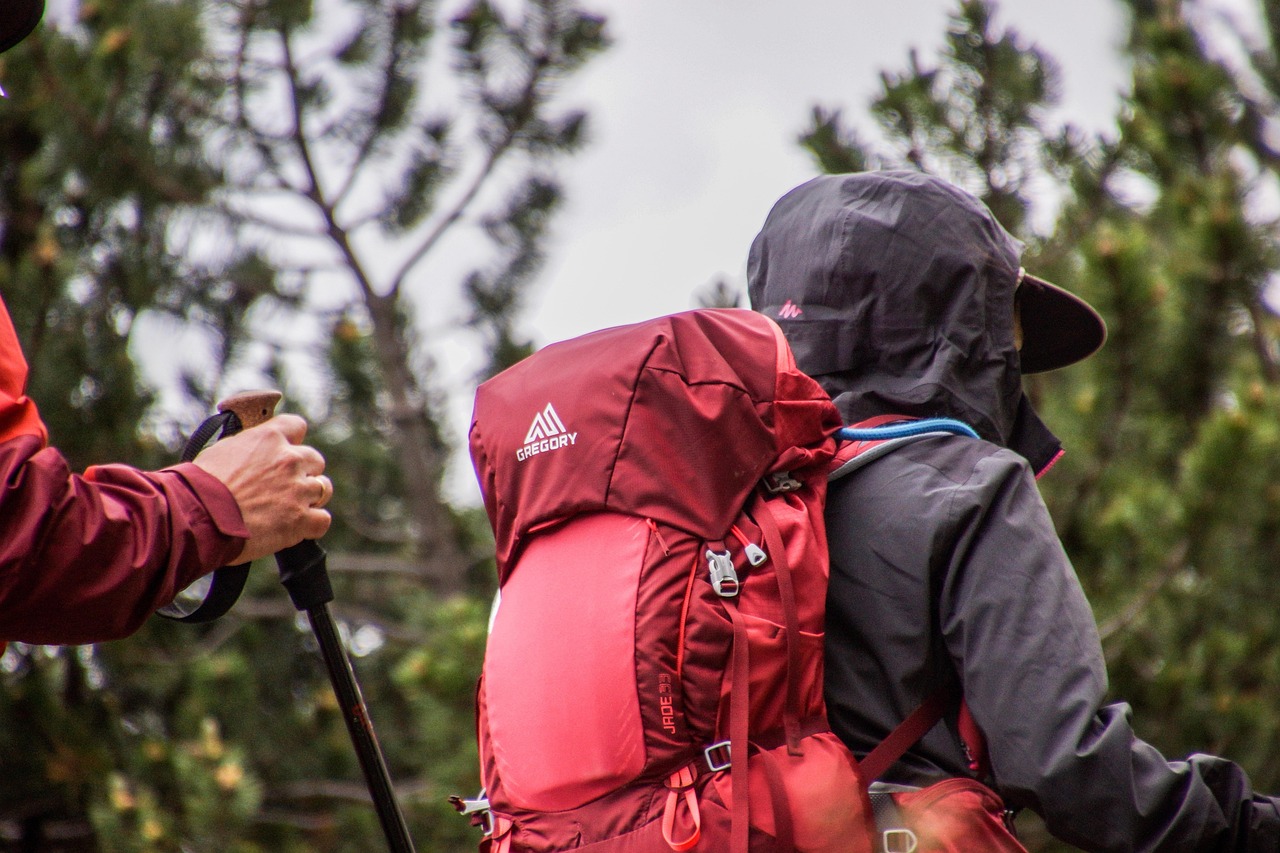
The physical exertion of a three-to-four-hour trek up rocky mule tracks and through terraced walnut orchards burns off restless energy. Along the way, encounters with local Berber youth herding goats or playing makeshift football in mountain clearings offer a peer-to-peer connection that no museum guide can replicate. It is travel that feels earned, not just observed, giving teenagers a genuine sense of accomplishment by the time you reach the evening’s refuge.
Sleeping and Eating in a Berber Village
The heart of this experience lies in the traditional Berber homestay. Ditching sterile hotel chains for a mud-brick village home in valleys like Imlil or Aït Mizane introduces families to a rhythm of life largely untouched by the modern rush. Homestays are surprisingly comfortable, featuring thick hand-woven wool carpets for sleeping, cozy wood stoves, and simple, shared dining spaces.
For teenagers, the culinary aspect is often the highlight. Meals are communal affairs centered around aromatic tagines slow-cooked over charcoal, accompanied by mountains of fluffy couscous, fresh bread baked in communal village ovens, and endless rounds of sweet mint tea, affectionately known locally as “Moroccan whiskey.” Expect to pay around 150 to 250 MAD (approximately 15 to 25 EUR) per person per night for a homestay, which typically includes a hearty dinner and breakfast. It is an affordable, deeply human way to travel that teaches gratitude and global perspective better than any textbook.
Pacing the Trek: Distances and Daily Realities
To keep the peace on the trail, pacing is everything. Do not attempt a grueling summit bid on day one unless your teens are seasoned mountaineers. Instead, opt for moderate valley-to-valley traverses. A typical day might involve a 3-to-5-hour walk covering roughly 8 to 12 kilometers, with a leisurely lunch stop beside a glacial stream.
Hiring a local, certified mountain guide from villages like Imlil is essential, costing roughly 400 to 600 MAD (40 to 60 EUR) per day for the family. Guides do more than navigate; they share fascinating stories of Amazigh (Berber) history, point out ancient irrigation systems, and can arrange for a mule to carry heavy backpacks if tired legs need a break. Hiring a local muleteer costs about 200 to 250 MAD (20 to 25 EUR) per day, a small price to pay to keep morale high and teenage complaints to a minimum.
Honest Practical Advice for Parents
Mountain weather in the Atlas is notoriously fickle. Even if Marrakech is scorching, high-altitude passes can be bitterly cold and windy, especially between October and April. Pack in layers, ensure everyone has sturdy, broken-in trekking boots, and bring a reliable daypack with sunscreen, sunglasses, and a reusable water bottle equipped with a purifier.
Connectivity is another hurdle. Wi-Fi in remote mountain villages is virtually nonexistent or painfully slow. Frame this as an intentional digital detox rather than a punishment, and watch as your teenagers actually start talking, playing cards by candlelight, and looking up at a breathtaking blanket of stars unpolluted by city light. Finally, always respect local customs: dress modestly in the villages, ask permission before taking photographs of locals, and carry small change in Moroccan Dirhams for tipping your guide and muleteer or buying handmade crafts directly from artisan families.
If navigating mountain logistics, coordinating homestays, and managing family dynamics sounds daunting to organize independently, our team at Morocco Moment Tours specializes in crafting seamless, private journeys tailored to your family’s pace. Based right here in Fes, we design custom itineraries that balance authentic cultural immersion with the comfort and security you need for an unforgettable Moroccan adventure.