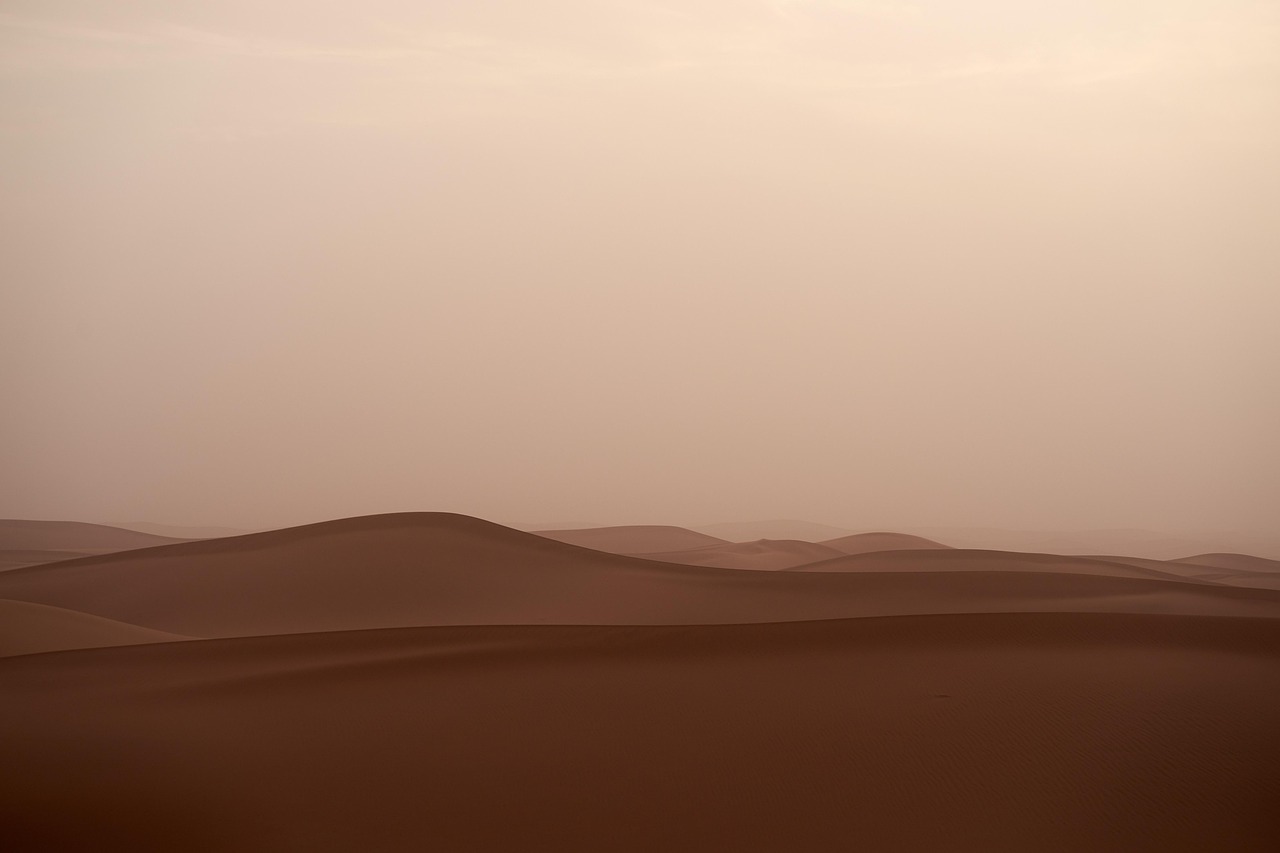
Planning an expedition into the dunes of the Moroccan Sahara is the kind of travel dream that stays with you for a lifetime. Picture the stillness of the Erg Chebbi or Erg Chigaga seas of sand, the bruised purple twilight turning to a blanket of stars, and the rhythmic padding of a camel caravan. Yet, because the desert is an extreme environment, timing your journey is everything. Too hot, and the day becomes a test of endurance. Too cold, and the desert night bites right through your heavy blankets.
As local specialists based right here in Fes with Morocco Moment Tours, we guide travelers through the shifting rhythms of the Sahara year-round. Here is our honest, on-the-ground breakdown of when to pack your bags for the ultimate desert camp experience.
Spring and Autumn: The Golden Windows for Desert Exploration
If you want the most balanced weather, target the shoulder seasons between March and May, or September and November. During these months, the Sahara offers a magnificent climatic sweet spot. Daytime temperatures usually hover comfortably between 22°C and 28°C, making camel trekking or quad biking across the ridges a pleasure rather than a sunburned chore.
Nights during spring and autumn are crisp and cool—typically dropping to around 10°C to 15°C—which makes gathering around the Berber camp fire after a tagine dinner feel deeply atmospheric. September and October bring the added magic of the date harvest, particularly in the Draa Valley en route to Erg Chigaga, where date palms burst with sticky, sweet fruit. Spring, meanwhile, occasionally surprises travelers with brief desert blooms following winter rains, painting swathes of the reg (stone desert) in fleeting greens and yellows.
The primary trade-off? These are peak months for desert travel. The dunes around Merzouga and M’Hamid see higher numbers of visitors, so booking your luxury or traditional nomadic camp well in advance is essential.
Winter: Crisp Days and Starlit, Freezing Nights
For many travelers, winter (December through February) is an underrated time to experience the Sahara. The skies are intensely clear, free of the summer dust haze, offering arguably the best stargazing of the entire year. Daytime temperatures are mild, often sitting around 18°C to 20°C under bright sunshine.
However, travelers must prepare for the desert’s extreme diurnal temperature shift. The moment the sun dips below the horizon, temperatures plummet rapidly, frequently dropping to freezing (0°C to 5°C) by midnight. Traditional desert camps are equipped with thick wool blankets and heavy duvets, and upscale camps feature wood-burning stoves inside the tents, but you will still want to pack a heavy fleece, a down jacket, and thermal layers.
Winter is also the season of the lowest crowds, offering profound silence among the dunes. Keep in mind that getting to the desert from Fes involves crossing the Middle Atlas mountains, where passes like Col du Zad or the cedar forests near Azrou can experience frost, fog, or occasional snow flurries, requiring cautious driving.
Summer: Extreme Heat and the Nomad Perspective
We receive many inquiries about summer travel (June through August), and our advice as locals is direct: approach with extreme caution. The Sahara in mid-summer is brutally hot. Daytime temperatures in Merzouga routinely exceed 45°C in the shade, and the sand becomes hot enough to scorch through footwear.
Activities must be heavily restricted to the early morning hours before 10:00 AM and late evening after 6:00 PM. Most of the daylight hours must be spent resting in air-conditioned vehicles or shaded structural areas rather than exploring the open dunes.
On the positive side, summer nights take on an open-air, festival atmosphere. Domestic Moroccan travelers often head south during their holidays, and traditional music echoing across the dunes carries a vibrant energy. Furthermore, standard desert camp rates drop significantly during these scorching months. For those resilient to heat, or those utilizing fully air-conditioned kasbah-style desert lodges rather than canvas tents, it offers a budget-friendly window. Additionally, local tradition holds that being buried up to the neck in the hot desert sand during July and August serves as a traditional remedy for rheumatism—though we generally recommend sticking to mint tea and shade.
Practical Logistics: Distances, Timing, and Costs
Planning a desert expedition from our home base in Fes requires realistic logistical expectations. Merzouga (Erg Chebbi) is the more accessible dune system from Fes, sitting approximately 460 kilometers to the southeast. The drive takes roughly 7 to 8 hours through Ifrane, the Ziz Valley, and Errachidia. Erg Chigaga is further south, near M’Hamid, requiring a much longer journey via Marrakech or a multi-day trek through the Draa Valley.
When budgeting for a desert camp experience, prices vary wildly based on style. Basic nomadic setups might cost around 300 MAD to 600 MAD (approx. 30 EUR to 60 EUR) per person, including dinner and breakfast. Standard comfortable camps range from 800 MAD to 1,500 MAD (approx. 80 EUR to 150 EUR). Fully private luxury camps featuring en-suite bathrooms, king-sized beds, and gourmet dining routinely start at 2,000 MAD to 4,500 MAD (approx. 200 EUR to 450 EUR) per night. Always confirm whether camel treks, 4x4 transfers from the desert edge, and local taxes are included in your quote to avoid surprises.
If you are dreaming of trading the ancient medina walls of Fes for the endless silence of the golden dunes, let us help you craft the ideal journey. At Morocco Moment Tours, we design bespoke private itineraries tailored to your pace, ensuring your Sahara adventure aligns seamlessly with the finest weather and authentic cultural encounters.