Marrakech carries a reputation as a playground for high-end travelers, where secluded riads feature private plunge pools and dining rooms serve saffron-infused tagines beneath crystal chandeliers. Yet this imperial city guards its treasures carefully, offering the exact same historical weight, architectural brilliance, and sensory depth to those exploring on a modest budget. The city walls, the intricate tilework of the Bahia Palace, and the sun-drenched expanse of the Jemaa el-Fnaa do not adjust their splendor based on what you paid for your accommodation. Understanding how to navigate Marrakech’s historic core allows travelers to experience the city’s royal heritage fully, regardless of financial bracket.
The Architectural Icons: Bahia and El Badi Palaces
The architectural ambitions of the Saadian and Alaouite dynasties reveal themselves most clearly within the city’s grand residences. The Bahia Palace, built in the late 19th century for Grand Vizier Si Moussa and expanded by his son Ba Ahmed, spans eight acres of intricately painted cedarwood ceilings, stucco plasterwork, and sprawling courtyards. Entry costs 70 MAD (approximately 6.50 EUR), a modest fee for wandering through the private apartments of former concubines and grand reception halls.
A fifteen-minute walk south leads to the haunting ruins of the El Badi Palace, constructed by Sultan Ahmed al-Mansour in the late 16th century to celebrate the defeat of the Portuguese army. Once considered the eighth wonder of the world, adorned with gold and Italian marble, today its vast sunken gardens and high mud-brick walls tell a story of imperial decline. Tickets are also 70 MAD.
While luxury travelers often hire private historians for half-day guided walks through these sites, budget-conscious visitors can easily download detailed audio guides or purchase a comprehensive guidebook before arrival. The physical distance between the Bahia and El Badi palaces is just under one kilometer, making it an easy, pedestrian-friendly route that costs nothing to navigate on foot.
Navigating the Medina and Jemaa el-Fnaa
At the heart of the imperial city lies the medina, a labyrinthine UNESCO World Heritage site established in the 11th century by the Almoravids. Walking through the souks—divided by trade guilds specializing in leather, spices, lanterns, and textiles—is entirely free. Luxury travelers may browse high-end boutiques with fixed prices and air-conditioned lounges, but the soul of Moroccan commerce remains in the open-air alleys where bargaining is an art form of respectful negotiation.
As daylight fades, the energy converges on Jemaa el-Fnaa. This massive public square transforms into an open-air theater of storytellers, musicians, and food stalls. To experience this without overspending, avoid the rooftop tourist cafes charging inflated prices for mediocre tea. Instead, join the locals at the communal food stalls for a bowl of steaming bessara (fava bean soup) for around 10 MAD (less than 1 EUR) or a plate of spiced merguez sausage for 30 MAD. The sensory overload, the scent of cumin and charcoal smoke, and the hypnotic beats of Gnaoua castanet players cost nothing to absorb.
Gardens and Tombs: Majorelle, Saadian, and Menara
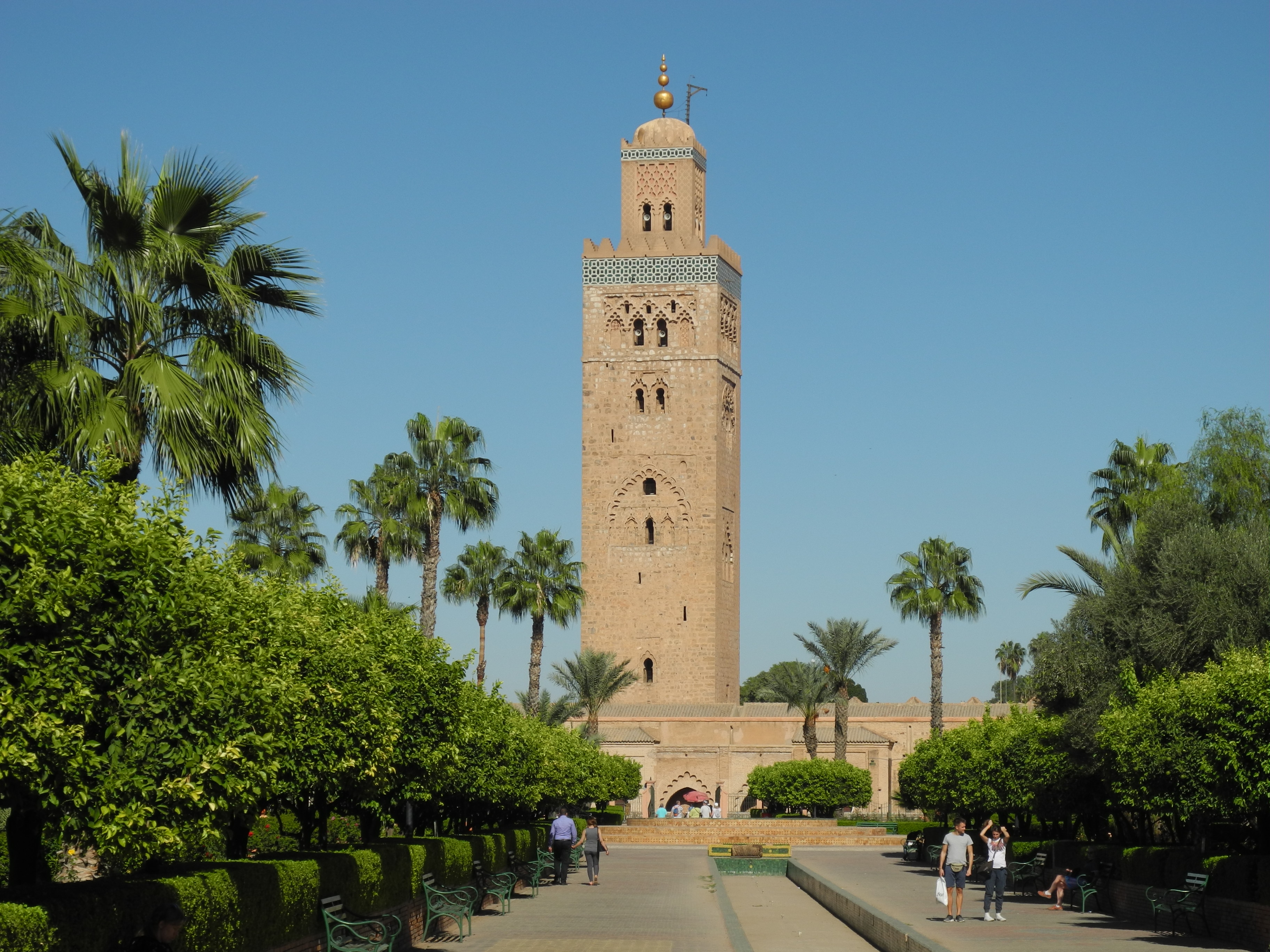
Marrakech is famously a city of gardens, designed to offer cool sanctuary from the arid North African heat. The Saadian Tombs, tucked away near the Kasbah Mosque, house the remains of the Saadian dynasty, including Sultan Ahmed al-Mansour. The Chamber of the Twelve Pillars, featuring Italian Carrara marble and gilded honeycomb vaults (muqarnas), is an architectural masterpiece accessible for 70 MAD.
For a broader green expanse, the Menara Gardens, located about three kilometers west of the medina, feature a massive 12th-century basin and a Saadian pavilion framed by olive groves and distant Atlas mountain views. Entry to the grounds is free, making it a favorite picnic spot for local families.
The Jardin Majorelle, restored by Yves Saint Laurent, commands a higher ticket price of 150 MAD (around 14 EUR) for the garden alone, requiring advance online booking due to strict visitor caps. While luxury itineraries often pair this with private transport and dedicated guides, independent travelers can reach the Majorelle Gardens via a pleasant 35-minute walk from Jemaa el-Fnaa or take a registered red petit taxi for approximately 20 to 30 MAD, ensuring the meter is turned on or the fare is agreed upon before departure.
Practical Strategies for Every Traveler
Balancing comfort and cost in Marrakech comes down to strategic choices regarding logistics and dining. Certified official guides can be hired through your accommodation or the local tourism office for a set half-day rate of around 400 to 500 MAD (37 to 46 EUR), providing deep historical context that elevates a budget trip to an educational masterclass. When dining, look for neighborhood spots where menus are written in Arabic or French on a chalkboard outside; a hearty plate of lamb tagine or couscous in these local eateries rarely exceeds 50 MAD (4.50 EUR). By prioritizing authentic experiences over high-end markers, exploring Marrakech’s imperial sites becomes an accessible, deeply enriching journey for any budget.
For travelers seeking a seamless balance of insider historical depth and personalized comfort, Morocco Moment Tours designs bespoke private itineraries departing from Fes to Marrakech, tailored entirely to your pace and preferences.