
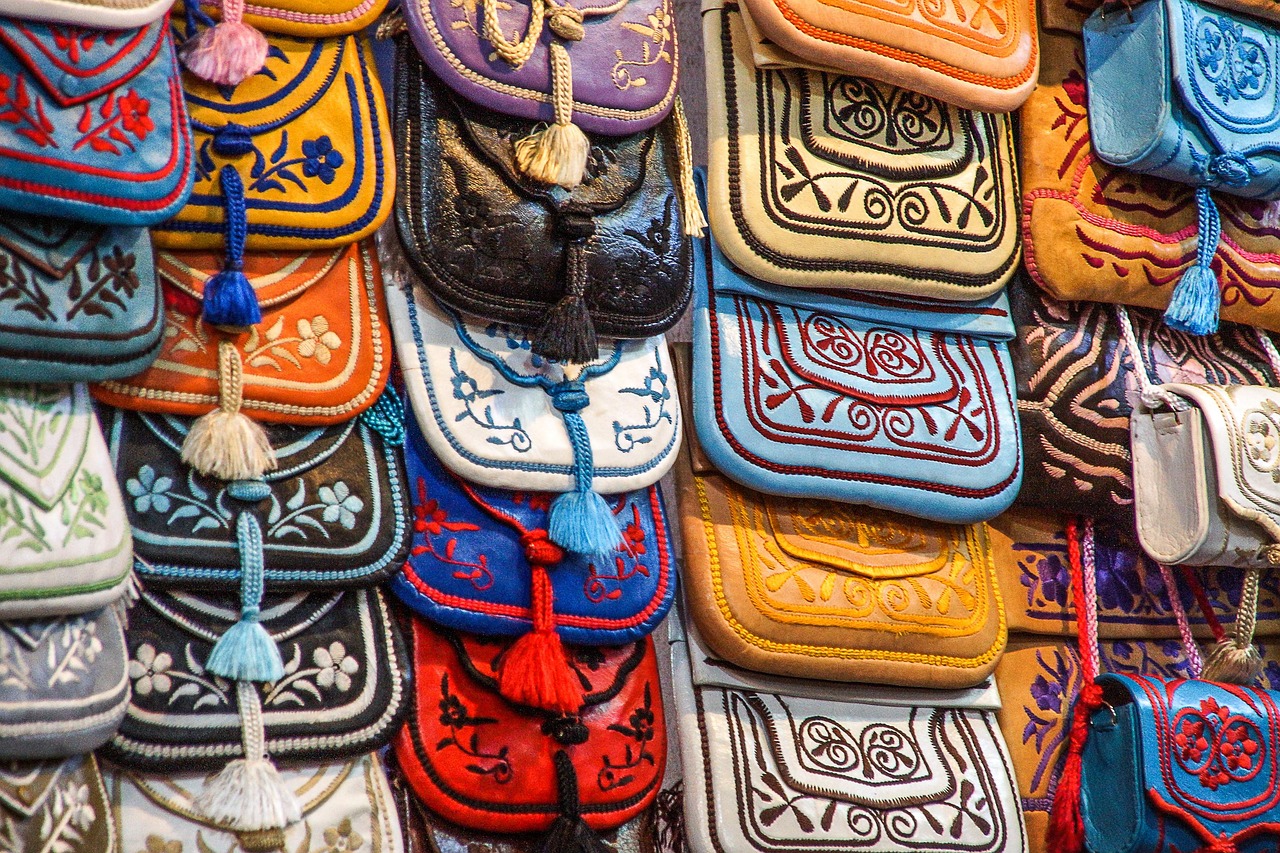
Stepping into the Marrakech medina feels like crossing an invisible threshold into another century. The air changes instantly, heavy with the scent of cedarwood, crushed mint, and sweet orange blossom, while the ambient roar of modern Morocco softens into the rhythmic clatter of brass hammers and the chatter of merchants. For first-time visitors, the souks are a labyrinthine sensory overload, a dizzying grid of alleys where donkeys share the right of way with Vespa scooters and stylish locals. But behind the apparent chaos lies a meticulously organized medieval trade guild system that has operated for nearly a thousand years.
The Geography of the Labyrinth: Understanding the Layout
Navigating the Marrakech souks is entirely manageable once you grasp the underlying geography. The medina is roughly anchored by two major points: Jemaa el-Fnaa, the pulsating public square at the southern edge, and the Ben Youssef Madrasa to the north. Everything between them is an interconnected grid of specialized quarters.
As you leave Jemaa el-Fnaa and head north, you enter Souk Ableuh for olives and spices, quickly transitioning into Souk Semmarine, the primary artery lined with textiles, lamps, and leather goods. From Semmarine, the souks fan out into distinct occupational guilds. Expect to walk about 1.5 kilometers from the main square to the northern limits of the medina, a journey that can take anywhere from twenty minutes to two hours depending on how often you stop to browse. Give yourself at least half a day to wander without a strict itinerary, treating wrong turns as part of the itinerary rather than mistakes.
Decoding the Guild Quarters
The magic of the Marrakech souks lies in their rigid historical zoning. Artisans do not scatter randomly; they congregate by trade, creating specialized neighborhoods that have preserved ancient crafts.
Head to Souk des Teinturiers, the dyers’ souk, to witness skeins of vibrant wool and silk suspended overhead, drying in the harsh North African sun after being soaked in massive vats of natural indigo, saffron, and poppy. Nearby, Souk el Attarine focuses on brass lanterns, copper teapots, and intricate metalwork. If you are hunting for leather goods, bypass the mediocre tourist traps near the square and walk deeper into Souk Cherratine, where the air grows thick with the rich, earthy smell of tanned hides and craftsmen stitch babouche slippers and leather rucksacks by hand. For exquisite Moroccan carpets, make your way to Rahba Kedima, the old spice square, where historic riads have been converted into multi-story treasure troves of wool and kilims.
The Art of the Interaction: Practical Rules of Engagement
Shopping in the imperial medina is a cultural exchange, a theatrical negotiation that requires patience, humor, and a firm grasp of local etiquette. The golden rule is simple: never show immediate, desperate interest in an item.
Prices in the souks are rarely marked, which can intimidate travelers accustomed to fixed retail environments. As a baseline, expect a quality leather bag to cost anywhere from 500 to 1,200 MAD (approx. 45 to 110 EUR) depending on the complexity of the work, while a small brass tea glass might run 20 to 50 MAD (approx. 2 to 4.50 EUR). Always counteroffer at roughly half the initial quoted price, aiming to settle somewhere in the middle with a handshake and a smile. Never negotiate if you have no intention of buying; once a merchant wraps an item, the deal is culturally considered done. Finally, ignore the well-meaning teenagers offering to guide you to the tanneries or the main square. They will demand a steep tip or lead you into commission-heavy shops. If you get lost, politely ask a shopkeeper minding a permanent storefront for directions, or rely on a downloaded offline map like Maps.me.
Beyond the Bazaars: Finding Silence
The most exhausting aspect of the Marrakech souks is the relentless kinetic energy. To truly appreciate the medina, you must know how to escape the density.
When the alleyways become overwhelming, slip through a discreet wooden doorway into one of the city’s historic monuments or boutique riads. Spend an hour in the breathtaking stillness of the Ben Youssef Madrasa (entry fee 50 MAD / approx. 4.50 EUR), where silent courtyards showcase masterclasses in stucco carving and cedar woodwork. Alternatively, duck into Café des Épices on Rahba Kedima or Nomad a few doors down. Securing a table on their rooftop terraces offers a sudden, dramatic drop in decibels, allowing you to sip a fresh verbena tea, watch the storks nest on the crumbling chimney pots, and watch the endless theater of the medina spread out below you.
Navigating the imperial medina on your own is a rite of passage, but unlocking the deeper layers of Moroccan history, artisan culture, and hidden architecture requires a local perspective. At Morocco Moment Tours, we design bespoke private journeys tailored to your exact pace, pairing you with expert guides based in Fes and Marrakech who transform a confusing labyrinth into an unforgettable cultural discovery.