Standing on the crest of an erg, watching the first wash of amber light hit a sea of sand, is the definitive Morocco desert experience. But translating that sublime moment into a compelling photograph requires more than just pointing a camera at the horizon. The Sahara’s extremes—blinding midday glare, freezing dawn winds, and shifting dunes—demand a thoughtful approach to gear and technique. As local guides based right here in Fes, we have watched countless travelers struggle with blown-out highlights or battery failure just as the sun broke over the dunes.
Choosing Your Desert Canvas: Erg Chebbi Versus Erg Chigaga
Before packing your lenses, you need to decide where you are shooting. The Moroccan Sahara is divided into two primary dune systems, and your choice dictates your landscape shots. Erg Chebbi, rising near the frontier town of Merzouga about 460 kilometers east of Fes, features towering golden dunes that can reach up to 150 meters. Because these dunes are relatively accessible, you can reach permanent luxury camps within a 45-minute camel trek or a short 4x4 ride from the tarmac. The curved ridges here create sweeping S-curves that catch raking morning light brilliantly.
On the other hand, Erg Chigaga lies deeper in the southeastern interior, accessed via M’Hamid El Ghizlane. These dunes are wilder, more remote, and spread across a vast 40-kilometer expanse. The scale here is immense, offering a true sense of isolation that appeals to landscape photographers looking for untouched horizons. Whichever camp you select, ensure you discuss your photography schedule with your hosts. A standard tourist itinerary might have you arriving at the camp just as the sun dips below the horizon, leaving you zero time to set up your tripod. Private desert excursions allow you to dictate the pace, ensuring you are stationed on a high ridge well before golden hour begins.
Mastering the Light: Golden Hours and Blue Hour Dynamics
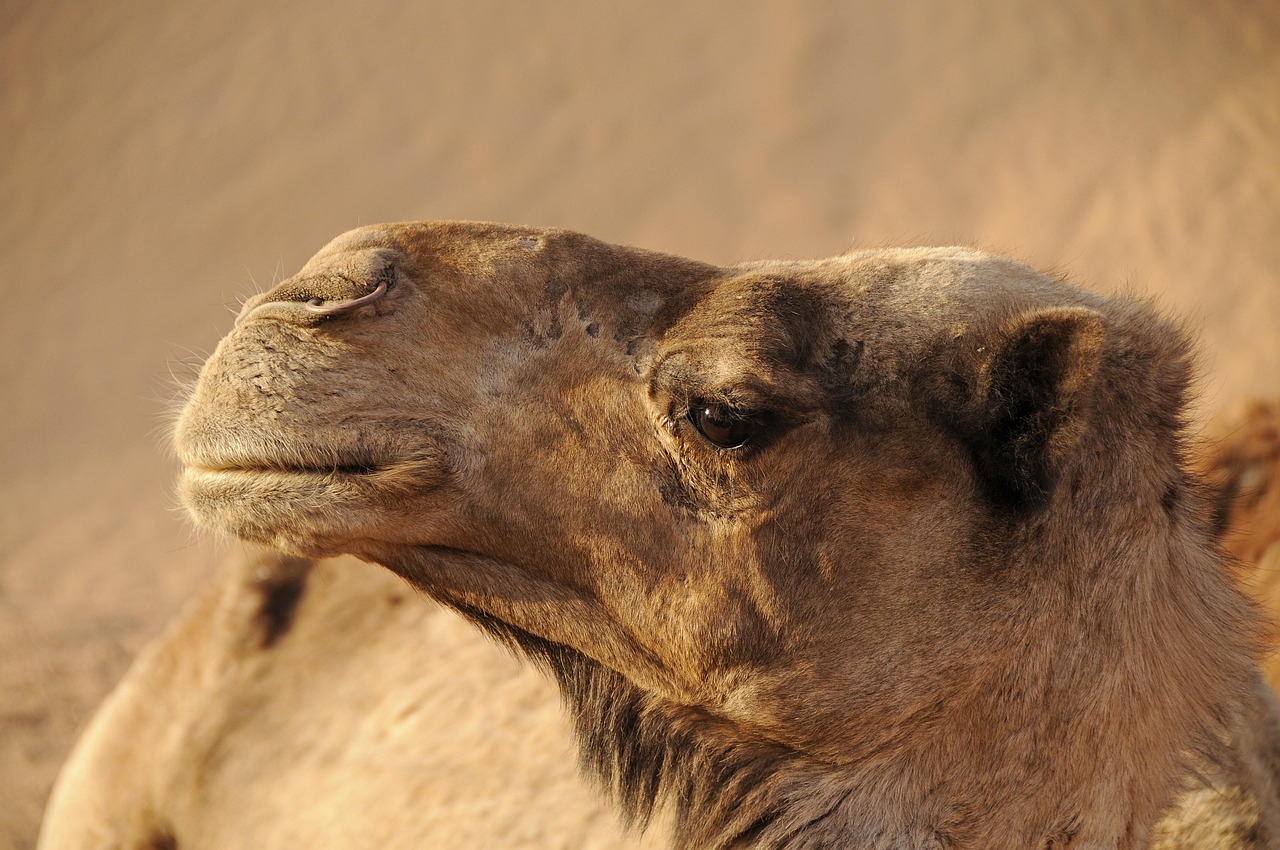
The Sahara operates on a sharp lighting schedule that leaves no room for hesitation. Sunset and sunrise deliver the most dramatic results, but the mechanics of desert light change rapidly. During sunset at an Erg Chebbi camp, you have roughly forty minutes from the time the sun starts dipping toward the horizon until dusk settles. Position yourself on a dune ridge facing west to capture the long shadows stretching across the sand. Use a telephoto lens, such as a 70-200mm, to compress the layers of dunes and isolate lone tamarisk trees or passing camel caravans against the burning sky.
Sunrise requires an even earlier commitment. You will want to be walking out of your tent at least forty-five minutes before official sunrise. The air temperature can plummet close to freezing before dawn, which ironically works in your favor by crisping the atmosphere and reducing haze. Do not pack up your camera the moment the sun clears the horizon. Stick around for the subsequent twenty minutes to capture the cool blue and purple tones washing over the shadowed side of the dunes, a phenomenon known as the blue hour that contrasts sharply with the warm morning glow.
Essential Gear Protection and Camera Settings
The desert’s greatest beauty is also its greatest hazard: fine, microscopic sand. Wind can sweep across the dunes at a moment’s notice, finding its way into every crevice of your equipment. Never change lenses in the open air, especially if a breeze is stirring. Keep your camera in a sealed dry bag or a heavy-duty waterproof daypack when trekking across the dunes. Packing a rocket blower and a microfiber cloth is non-negotiable; you will need them constantly to clear dust off your front element. Furthermore, lithium-ion batteries drain rapidly in sub-zero desert nights. Keep your spare batteries in an inner jacket pocket close to your body heat until the exact moment you need to slide them into the camera body.
Technically, shooting white sand under harsh desert illumination easily tricks camera light meters into underexposing the scene, rendering your bright golden dunes a muddy gray. Dial in a positive exposure compensation of +0.3 to +0.7 EV to keep the sand looking luminous and vibrant. Utilize a circular polarizer to cut down the glare bouncing off flat surfaces, which helps saturate the deep blue of the desert sky. If you are shooting wide landscapes, a sturdy tripod is essential, especially during low-light conditions when you want to keep your ISO low to avoid digital noise in the smooth gradients of the sky.
Respecting the Environment and Local Culture
Photography in the Moroccan desert is as much about cultural mindfulness as it is about aperture and shutter speed. When staying at a desert camp, your hosts are likely local Amazigh nomads or desert-dwelling families whose hospitality runs deep. Always ask permission before taking close-up portraits of your camel handlers, camp cooks, or local musicians around the nightly campfire. A polite “smahli” (excuse me) paired with a gesture toward your camera opens doors faster than any lens. Respect privacy inside the nomad tents or private camp quarters. By approaching the Sahara with patience, respect, and technical readiness, you will return to Fes not just with standard vacation snapshots, but with a portfolio that truly captures the timeless spirit of the dunes.
If you are looking to elevate your photographic journey through Morocco without the rigid constraints of large group schedules, consider joining Morocco Moment Tours for a custom private desert itinerary tailored precisely around the best light, remote dune camps, and authentic local experiences.