The High Atlas is not a mountain range you simply visit; it is a landscape you negotiate on foot, step by measured step, beneath a sky that shifts from bruised purple at dawn to a blinding cobalt by noon. For private groups seeking an escape from the sensory labyrinth of the imperial medinas, these ancient valleys—carved by meltwater and cultivated by generations of Amazigh farmers—offer a profound counter-rhythm. Yet, timing your ascent is everything. The mountains are indifferent to itineraries, and a poorly chosen week can turn a dream trek across Toubkal’s shoulders into a battle against flash floods or impassable snowdrifts.
Decoding the High Atlas Seasons: Spring and Autumn Windows
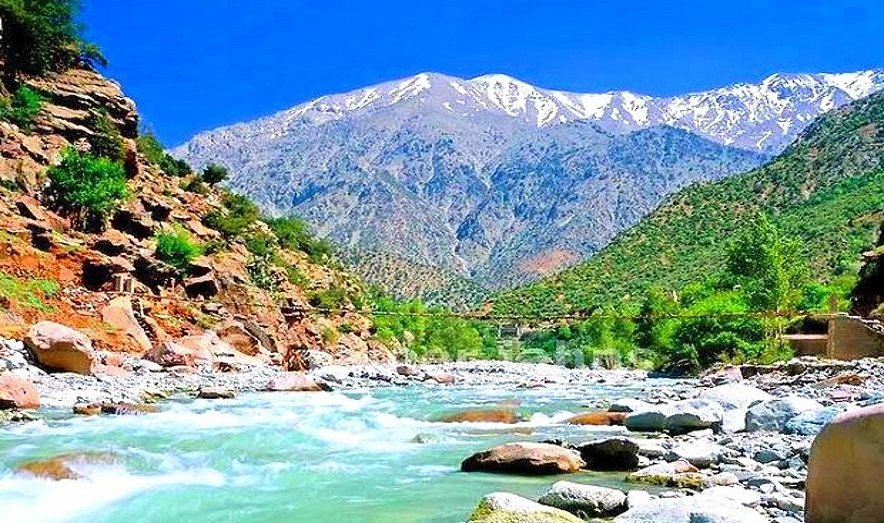
The golden rule of trekking in the Moroccan Atlas is simple: avoid the extremes of winter’s deep freeze and summer’s scorching valley floors. The primary trekking window opens in spring, stretching from mid-April through June. As the snow recedes from the higher passes like Tizi n’Mzik and Tizi n’Ouagane, the valleys burst into a riot of green. Walnut groves leaf out, apple blossoms scent the air in the Imlil Valley, and rushing streams fed by snowmelt roar alongside the trails. Daytime temperatures hover around a comfortable 20°C to 25°C at lower elevations, though nights remain crisp.
The second prime window runs from September through November. Autumn brings a sublime clarity to the air, making it the premier season for panoramic photography and high-altitude ridge walking. By October, the walnut harvest is underway in remote settlements like Aroumd and Azib Tamsoult, and the terraced fields turn rich shades of ochre and gold. While November introduces a distinct chill, the weather remains stable, offering crisp days and starry nights before the winter snows seal the high routes.
Winter Realities and Summer Heat: Managing Expectations
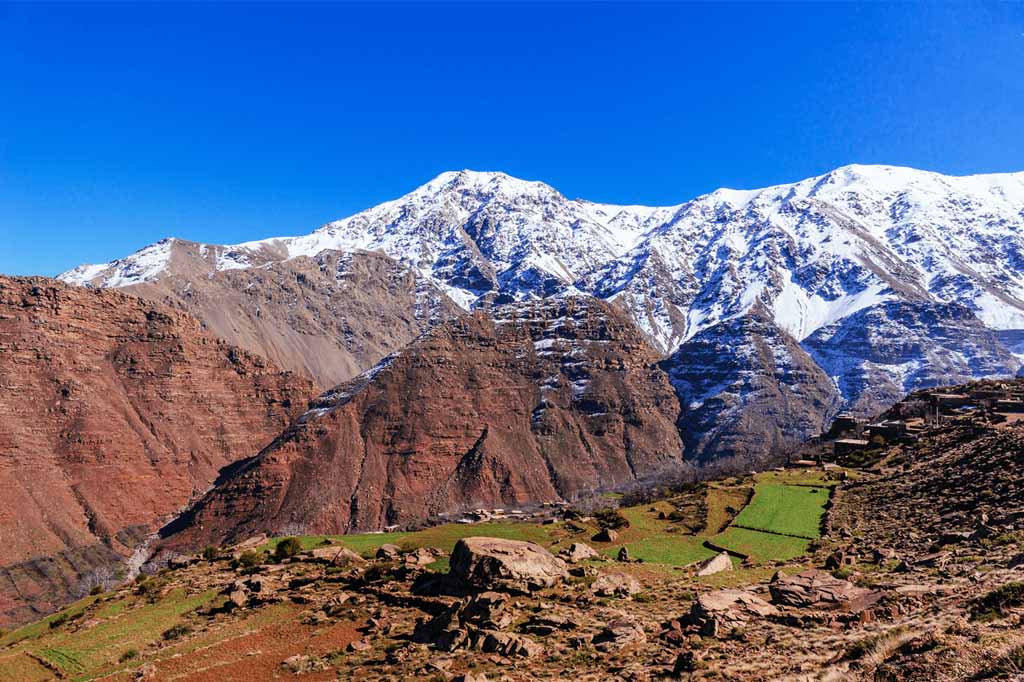
It is a common misconception that North Africa is warm year-round. From December to March, the High Atlas transforms into a serious alpine environment. Mount Toubkal, peaking at 4,167 meters, wears a heavy coat of snow and ice, requiring crampons, ice axes, and experienced mountain guides. Day temperatures can plunge well below freezing, and sudden blizzards can strand trekkers at the Neted Refuge. For private groups with mountaineering experience, winter offers absolute solitude and majestic snowy landscapes, but standard multi-day valley traverses are often blocked.
Conversely, July and August test the endurance of even the fittest travelers. While the high passes remain accessible, midday temperatures in the valleys frequently exceed 35°C. Shade is scarce along the barren, sun-baked slopes above the tree line, and the risk of dehydration is high. If you must trek during the summer months, itineraries must be rigorously front-loaded, requiring pre-dawn departures to complete the day’s walking before the afternoon sun peaks.
Daily Rhythms and Logistics on the Trail
A well-structured private trek balances physical challenge with cultural immersion, allowing time to absorb the architecture of the pise-mud villages that cling precariously to the cliffs. A typical day on the trail begins early, around 7:00 AM, following a breakfast of fresh bread, local honey, and mint tea prepared by your camp cook or guesthouse host. Walking hours generally range from four to six hours per day, covering distances of 10 to 15 kilometers, with significant elevation gains and losses as you traverse deep river gorges.
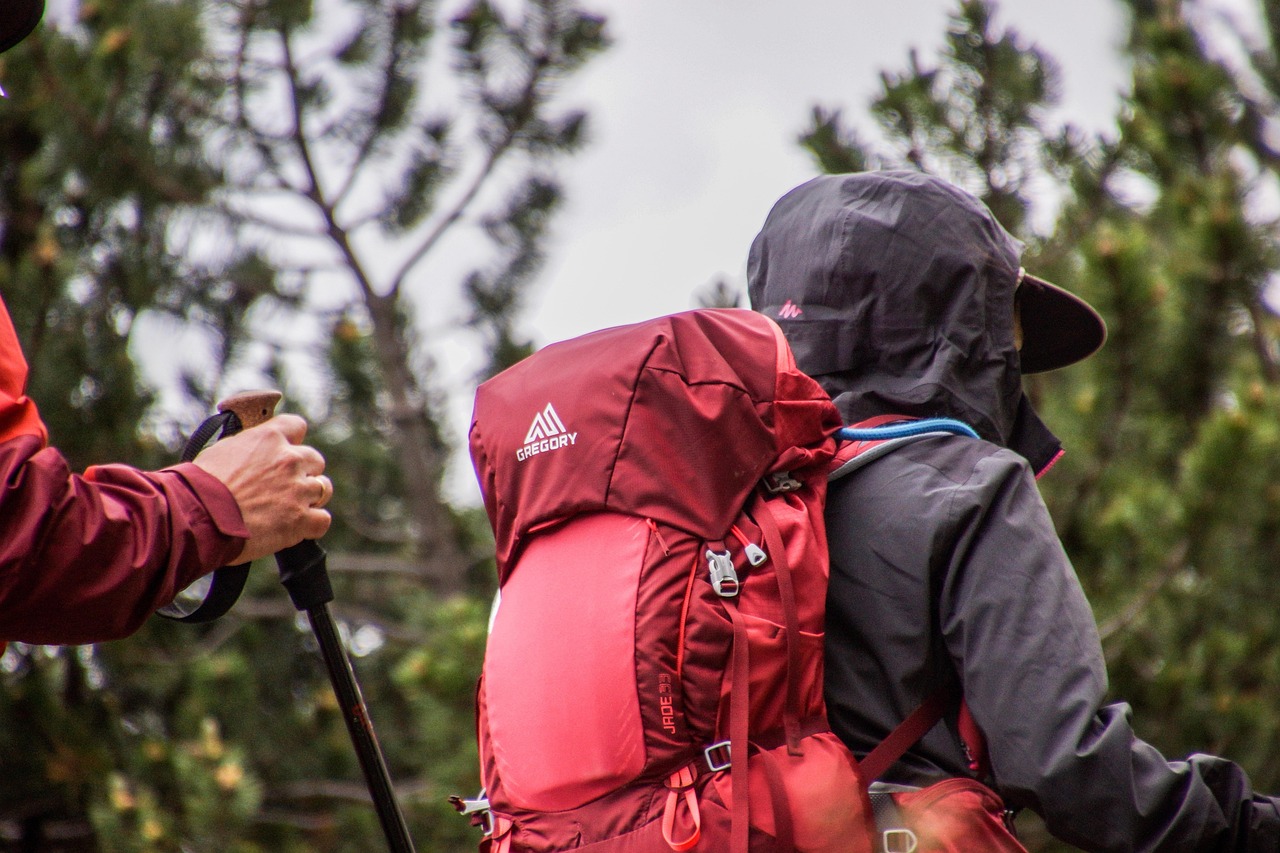
For private groups, logistical support transforms the experience from a grueling endurance test into a seamless journey. Mules and muleteers—invaluable locals from communities like Asni or Imlil—carry your heavy gear, tents, and provisions, allowing you to walk with just a daypack. Hiring local guides licensed by the Moroccan Ministry of Tourism is not only a legal requirement in national parks like Toubkal but a practical necessity for navigating shifting weather patterns and forging respectful connections with the indigenous Amazigh families who host you in village guesthouses (gîtes d’étape).
Financial Planning and Responsible Trekking
Budgeting for a private Atlas trek involves understanding the value of local labor and resources. While independent day hiking from Imlil is inexpensive, a fully supported multi-day private expedition—including licensed mountain guides, mule teams, cook services, gear, and mountain refuge fees—typically ranges from 800 MAD to 1,500 MAD (approx. 75 EUR to 140 EUR) per person, per day, depending on group size and the luxury level of accommodations. Tipping is an established custom in the mountains; allocating roughly 10% of the total trek cost for the local guide and muleteer team is standard practice.
Responsible trekking in the Atlas also demands environmental mindfulness. Water scarcity is a daily reality for mountain communities, making single-use plastic bottles a major burden on local waste management. Bringing a reliable filtration system or purification tablets is essential. Furthermore, supporting community-based tourism—by staying in locally run gîtes, purchasing handmade crafts directly from artisans in the Azzaden Valley, and respecting local customs regarding photography—ensures that the economic footprint of your journey directly sustains the families who call these dramatic mountains home.
To explore the High Atlas on a tailor-made itinerary designed specifically for your private group, with experienced local guides and seamless logistics originating from Fes, connect with our team at Morocco Moment Tours to start planning your mountain journey.