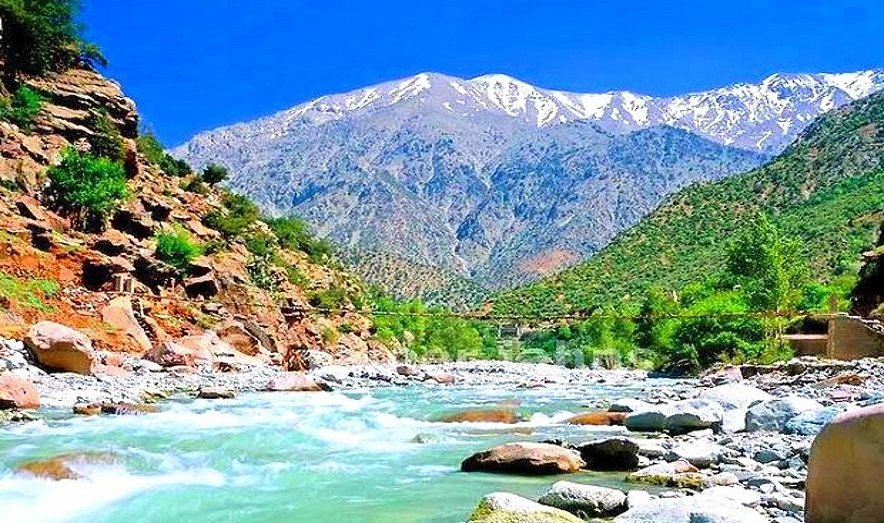
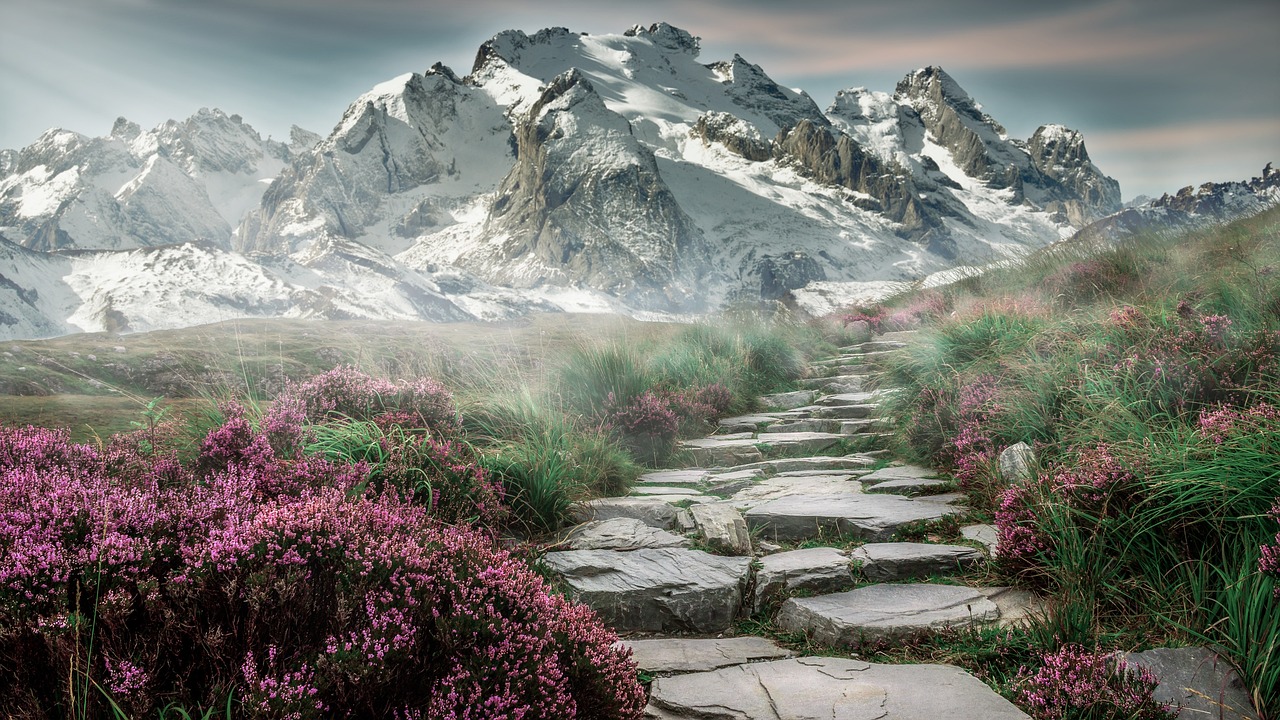
Spring in the High Atlas arrives not with a whisper, but with a vibrant shock of color. As the lingering snow retreats from jagged peaks above two thousand meters, the valleys below erupt into a tapestry of wild almonds, yellow broom, and rare endemic flora. For travelers willing to trade the bustling medinas of Fes for crisp mountain air, this shoulder season offers the ultimate trekking experience. The scorching heat of summer is months away, the winter gales have softened, and Berber communities are tending to their terraced green fields against a backdrop of still-dappled white summits.
The Phenomenon of High Atlas Spring Flora
By late March, the lower foothills surrounding towns like Asni and the Ourika Valley begin to blush with pink almond blossoms, quickly followed by fields of red poppies and wild chamomile. As you ascend higher into Toubkal National Park and the remote valleys of Ait Bouguemez, the landscape transforms entirely. Botanists and casual hikers alike seek out the endemic species that manage to thrive in the rocky limestone soil, including rare mountain orchids, wild thyme, and vibrant yellow spurge.
The secret to this botanical explosion lies in the snowmelt. As the heavy winter snowpack feeds the underground aquifers and rushing rivers, the mountain sides burst into life before the arid heat of July sets in. Walking along ancient mule tracks during this period means treading softly through carpets of purple iris and wild mint, with the scent of blossoming rosemary carried on the crisp morning breeze.
Best Trails for Spring Wildflower Viewing
For those based in Fes who wish to explore these mountain trails, a journey south toward Marrakech and the High Atlas is well worth the effort. The best trekking routes balance accessibility with pristine natural beauty.
The Aroumd Valley loop, starting from the mountain hub of Imlil, remains a classic for good reason. A moderate three-hour hike (roughly 8 kilometers with an elevation gain of 400 meters) leads you past terraced walnut groves exploding with spring green and rocky slopes dotted with alpine flowers. For a more secluded experience, the tranquil Amizmiz region offers rolling hills covered in wild lavender and thyme, ideal for gentle day walks averaging 4 to 5 hours.
For dedicated hikers, the trek up to the Azib n’Tifnout plateau reveals high-altitude plateaus where melting snow creates temporary streams flanked by dense carpets of green and bursts of color. Hiring a certified local mountain guide from the Bureau des Guides in Imlil typically costs between 350 MAD and 500 MAD (approx. 33 to 47 EUR) per day, ensuring you safely navigate the melting snowpack while learning about the traditional uses of local medicinal plants from your Berber guide.
Weather Conditions and Navigating the Shoulder Season
Spring weather in the High Atlas is notoriously mercurial. While daytime temperatures in the valleys can reach a comfortable 20 degrees Celsius, conditions at higher elevations change rapidly. March can still bring sudden rainstorms or late-season snow flurries above 2,500 meters, while April and May generally offer stable, clear blue skies punctuated by crisp alpine winds.
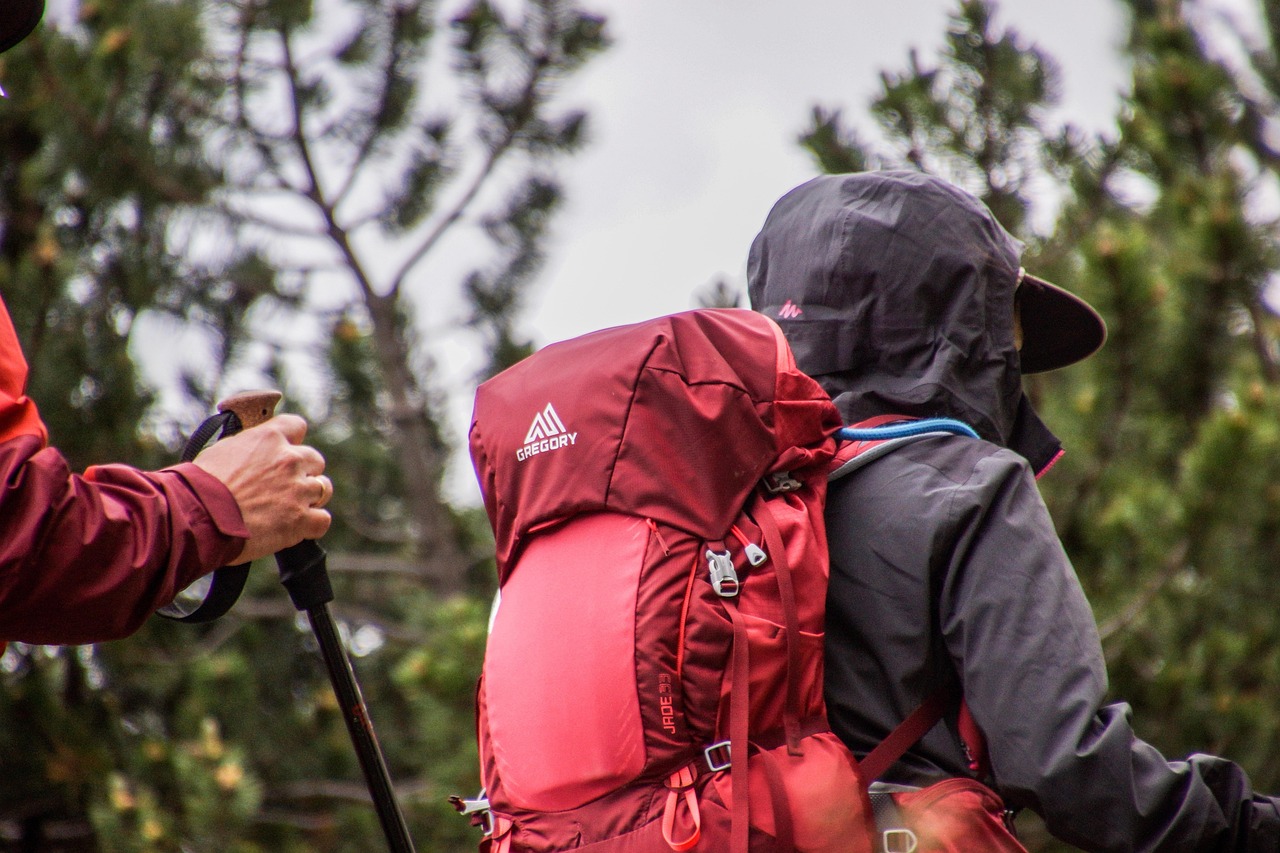
Preparation is key to enjoying these trails safely. Mornings are often bracingly cold, requiring a proper fleece and windbreaker, while afternoons under the strong North African sun call for high-SPF sunscreen and sunglasses. Waterproof hiking boots are non-negotiable, as spring footpaths frequently intersect with rushing meltwater streams and muddy patches. Checking local weather forecasts daily and starting treks early in the morning helps avoid the afternoon cloud cover and sudden mountain squalls.
Cultural Encounters and Practical Logistics
Spring is also an agricultural awakening in the High Atlas. As you hike between traditional pisé villages like Imlil, Armed, or those tucked deep in the remote valleys, you will witness Berber families plowing fields with oxen and managing livestock that now have access to lush, flower-strewn pastures.
Logistically, reaching the High Atlas from Fes requires a bit of planning. Most travelers take the comfortable ONCF train from Fes to Marrakech (approx. 6.5 hours, second class around 115 MAD / 11 EUR, first class around 195 MAD / 18 EUR), then arrange private transport onward to the mountain trailheads. Local guesthouses (gîtes d’étape) in the mountains offer warm hospitality, hearty tagines, and mint tea for around 200 to 350 MAD (approx. 19 to 33 EUR) per person per night, including dinner and breakfast.
Exploring the High Atlas Mountains in spring reveals a side of Morocco far removed from the desert dunes and urban medinas. Whether you are seeking a gentle day walk among blossoming almond trees or a challenging alpine ascent through fields of wild orchids, experiencing this dramatic landscape firsthand requires local insight and seamless logistics. At Morocco Moment Tours, we design bespoke private journeys tailored to your pace, connecting you with expert local mountain guides and authentic Berber hospitality for an unforgettable seasonal adventure.