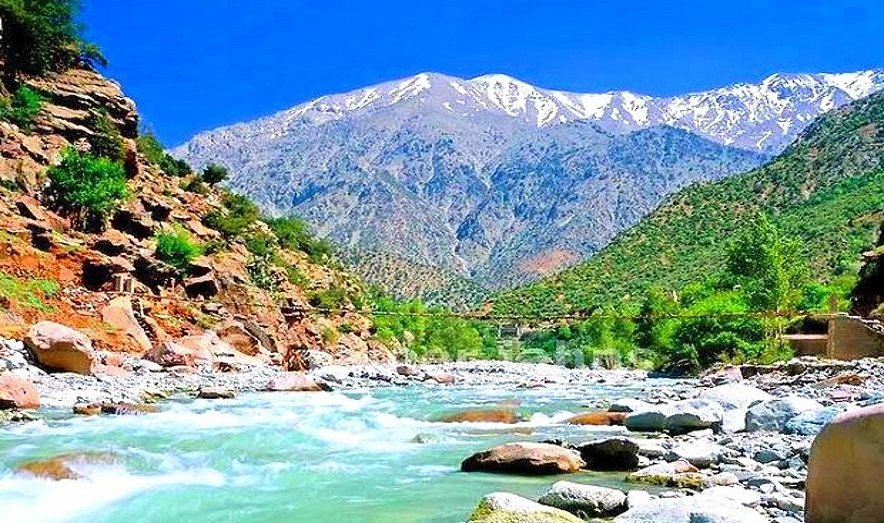

The High Atlas mountains often conjure images of grueling summit pushes, crampons, and breathless climbs up Mount Toubkal. But just a short drive from Marrakech, hidden away in the shadows of Toubkal National Park, lies the Azzaden Valley. It is a striking, terraced canyon of red earth, rushing streams, and walnut groves that offers an entirely different rhythm. For families traveling with children, this valley is a revelation: a place where you can experience authentic Berber village life and dramatic mountain scenery without committing to high-altitude mountaineering.
Why the Azzaden Valley Suits Young Walkers
Choosing the right valley in the Atlas is crucial when traveling with children. Many popular routes, like the main Imlil Valley, can feel steep and congested with day-trippers. The Azzaden Valley, accessed via the Tizi n’Test mountain road and a turnoff toward Kik Plateau and Asni, feels appreciably wilder yet remarkably accessible.
The terrain here is characterized by ancient mule tracks that connect a string of earthen villages clinging to the slopes. These paths are generally wide and well-graded, though they feature occasional loose stones and gentle inclines. The secret to walking here with kids is pacing. Rather than tackling massive vertical gains, families can link picturesque hamlets like Tizi Oussem, Id Issa, and Ait Aissa. A typical stroll between these villages takes between one and two hours of actual walking time, spread across three to five kilometers. This leaves ample energy for children to splash in shallow irrigation channels, marvel at free-roaming sheep and goats, and pause for mint tea with local families.
A Gentle Route: Tizi Oussem to Ait Aissa
One of the most rewarding and manageable routes for families starts at the village of Tizi Oussem, often reached via a scenic drive that passes through the Amizmiz valley or Asni. From Tizi Oussem, you can set off on a leisurely descent toward Ait Aissa, following the course of the Azzaden River far below.
The walk begins amidst terraced fields where barley and corn are cultivated using traditional irrigation methods handed down through generations. The path winds gently downhill, shaded by towering walnut trees that offer a cool respite during warmer months. As you walk, you will pass traditional adobe homes constructed from local stone and mud, blending seamlessly into the terracotta-colored cliffs.
The distance between Tizi Oussem and Ait Aissa is roughly four kilometers, translating to an easy walk of about an hour and a half for steady young legs. Children usually find endless fascination in watching the local village life: women carrying bundles of fresh clover, children playing soccer on improvised dirt pitches, and local artisans crafting everyday goods. Upon reaching Ait Aissa, you cross a sturdy footbridge over the river—an exciting milestone for younger kids—where you can rest before continuing your day.
Practical Tips for Atlas Family Walks
Walking in the Atlas Mountains with children requires a bit of preparation to ensure everyone stays safe, comfortable, and happy.
First, consider timing. Spring (April to June) brings blooming wildflowers, roaring waterfalls, and pleasant daytime temperatures, making it the ideal season for families. Autumn (September to November) is equally lovely, with crisp air and the walnut harvest in full swing. Summer afternoons can become intensely hot in the valley bottoms, so start your walks early in the morning and seek shade during the midday hours.
Footwear is paramount. While full hiking boots are not strictly necessary for these gentle valley walks, children need sturdy closed-toe shoes or trail runners with good grip, as the dust and smooth river stones can be slippery. Dress in layers; mountain weather can shift quickly from warm sunshine to a cool breeze once you step into the shadow of the peaks.
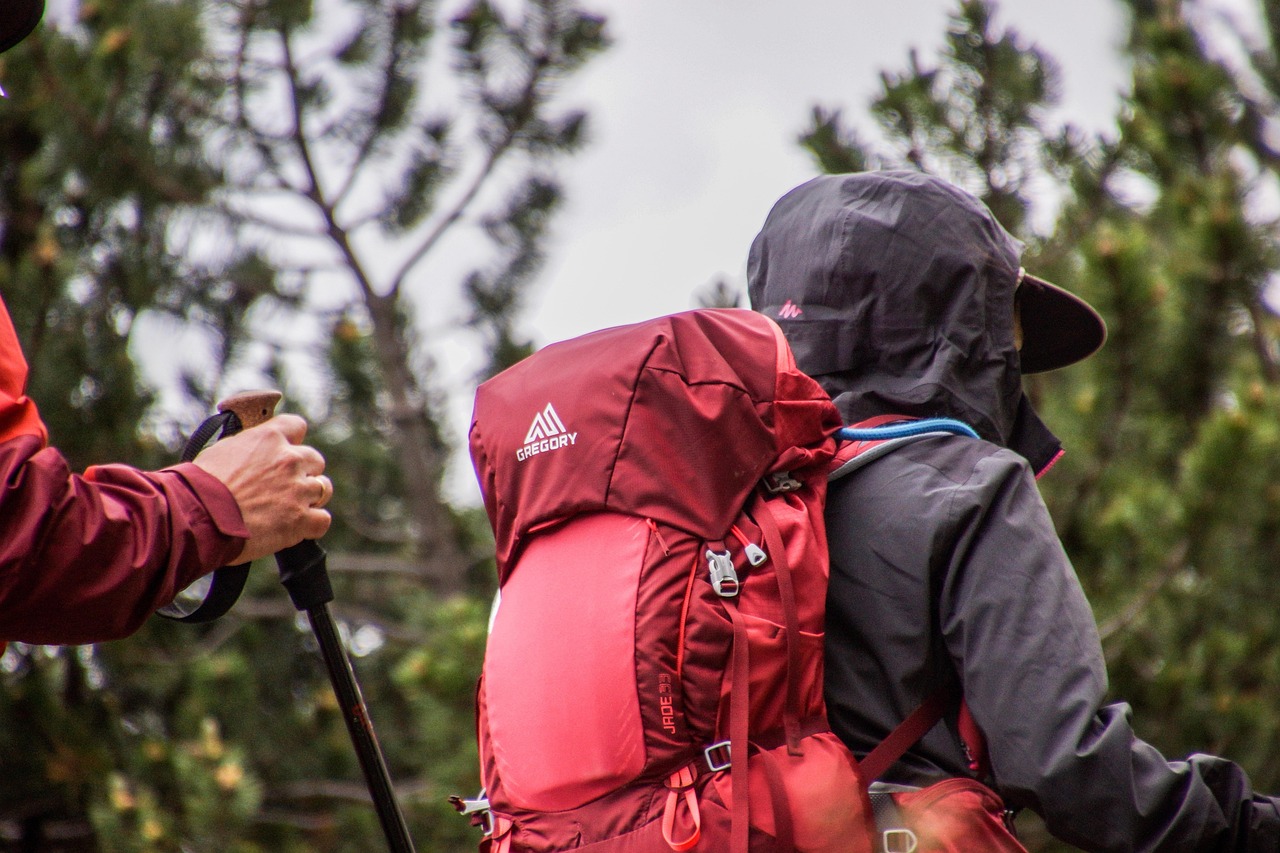
Carrying a lightweight daypack with plenty of water, high-energy snacks, sunscreen, and a basic first-aid kit is essential. While you will pass through villages where bottled water and simple supplies are available, having your own stash keeps whining at bay between stops. Hiring a local mountain guide is highly recommended, not just for navigation, but because a good guide acts as a cultural bridge, translating local Berber customs and engaging children with stories of the mountains. A local guide typically costs around 300 to 500 MAD (approx. 30 to 50 EUR) per day.
Cultural Encounters and Mountain Hospitality
One of the greatest joys of exploring the Azzaden Valley at a child’s pace is the opportunity for genuine human connection. Berber culture is deeply welcoming, and children are universally embraced here.
Along the trail, it is common to be greeted with a warm “Labas?” (How are you?) and an invitation to share a glass of sweet Moroccan mint tea. These stops provide a wonderful lesson in cultural exchange for younger travelers. Many village homes have been thoughtfully adapted to welcome visitors, and booking a traditional lunch in a family-hosted guesthouse (known locally as a gîte d’étape) is a highlight of the journey. You can expect a hearty, home-cooked tagine served with fresh bread, seasonal fruit, and steaming tea, usually costing around 70 to 100 MAD (approx. 7 to 10 EUR) per person. It is a comforting, delicious reward after a morning on the trails and offers kids a tangible taste of rural Moroccan daily life.
At Morocco Moment Tours, based in the heart of Fes, we specialize in crafting bespoke, private journeys tailored to the unique pace and curiosity of your family, ensuring every generation experiences the authentic warmth and stunning landscapes of Morocco safely and comfortably.