Most travelers spend hours agonizing over what to wear to Rome or Paris, yet pack completely blind for the Sahara Desert. They arrive at the edge of the dunes with rolling suitcases, towering stiletto heels, or flimsy fashion kimonos that shred on camel saddles. As a local tour planner based in Fes, I have watched thousands of bewildered travelers step out of their 4x4s into the Erg Chebbi or Erg Chigaga dunes completely unprepared for the reality of the desert.
A two-night stay in a Sahara desert camp is an unforgettable experience, but the Sahara is an extreme environment. It demands respect, a sense of adventure, and—above all—practical gear. Here is your unvarnished, no-nonsense packing list for surviving and thriving during 48 hours in the Moroccan sand.
The Daytime Uniform: Sun, Sand, and Breathable Fabrics
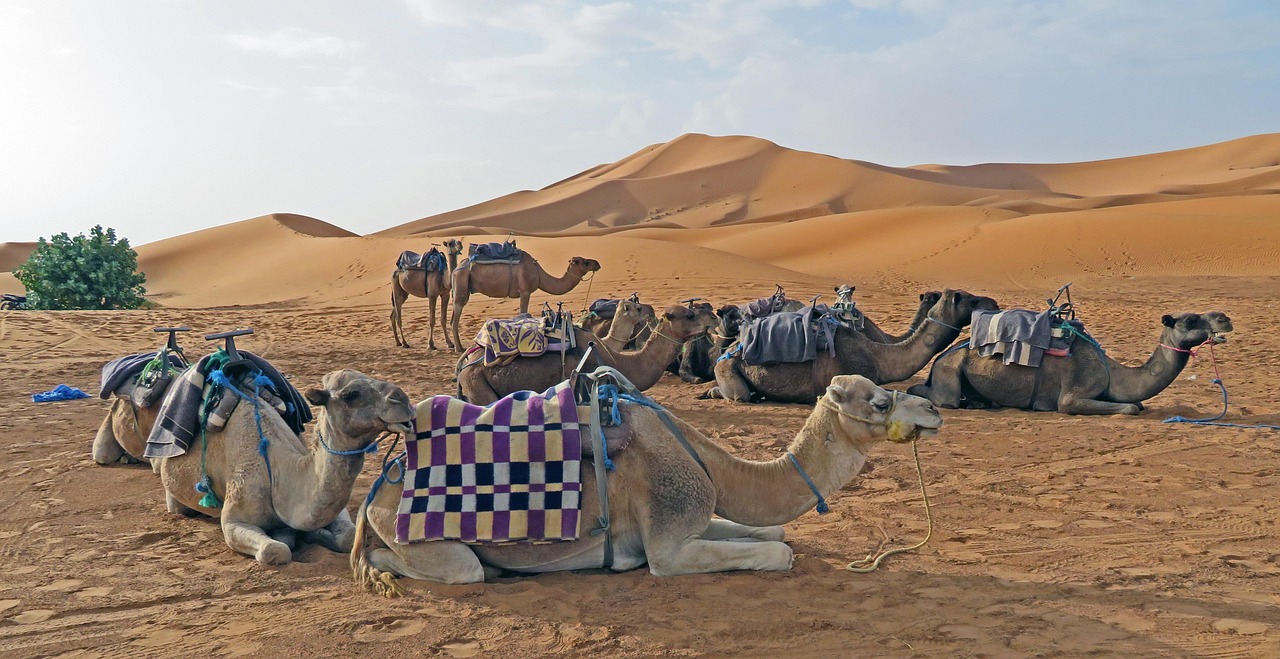
When you are bumping across the stony reg desert or riding a camel toward the horizon, comfort is your only priority. The sun in Morocco is unforgiving, even in the shoulder seasons.
First, forget skinny jeans. The friction against a camel saddle will guarantee misery, and tight denim bakes in the heat. Instead, pack loose linen trousers, harem pants, or lightweight hiking pants. For tops, opt for breathable linen shirts or long-sleeve cotton tees. Long sleeves might seem counterintuitive in the heat, but they act as a vital shield against UV rays and blowing sand.
Footwear for the day requires careful consideration. Leave the sandals at the riad in Fes; fine desert sand gets everywhere and turns your feet into sandpaper. Sturdy walking shoes or broken-in trainers are best for walking the high ridges of Erg Chebbi. If you want traditional Berber footwear, pick up a pair of handmade leather babouche slippers at the local markets in Rissani or Merzouga for around 100 to 150 MAD (roughly 10 to 15 EUR), but keep them for lounging around the camp.
The Nighttime Drop: Beating the Desert Freeze
Hollywood movies have lied to you. The moment the sun dips below the horizon in the Sahara, the temperature plummets dramatically. Within an hour, you can go from sweating in a t-shirt to shivering in a jacket, particularly between October and April.
Your evening layers are non-negotiable. Pack a warm fleece, a quality wool sweater, and a windproof jacket or down vest. Thermal base layers—tops and bottoms—are a secret weapon for winter nights in the tents. For your lower half, fleece-lined joggers or heavy canvas trousers will keep the chill at bay while you gather around the campfire for traditional Gnaoua drum music.
Do not forget your extremities. The wind whips across the open dunes at night, so bring a beanie, a pair of lightweight gloves, and thick woolen socks. Luxury desert camps provide heavy, gorgeous wool blankets on the beds, but walking from your tent to the dining yurt in the freezing dark requires your own thermal armor.
The Gear and Toiletries No One Mentions
The Sahara is defined by two elements that wreak havoc on modern electronics and skin: fine sand and intense dryness.
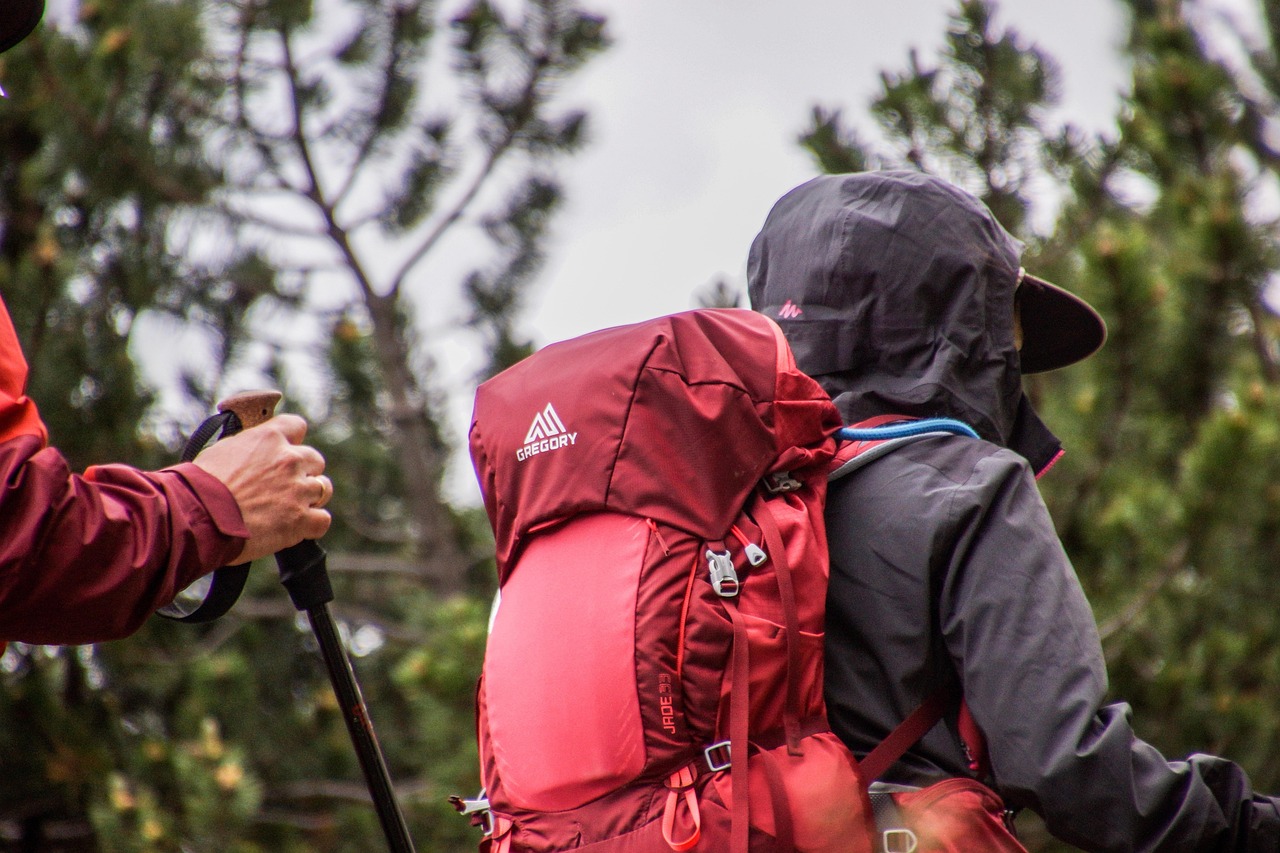
Bring a dedicated daypack—a small backpack rather than a duffel—to carry on your camel or keep in the transfer vehicle. Inside, your absolute best friend will be a traditional cotton scarf, known locally as a cheich. You can buy one in Merzouga for about 50 MAD (5 EUR), and your camp guide will expertly wrap it around your head and face to protect you during sandstorms or windy camel treks. Pair this with polarized sunglasses; the glare bouncing off miles of golden quartz sand causes severe eye strain.
For toiletries, skip the elaborate makeup kits. The air is bone dry, and sweat mixed with foundation is a recipe for clogged pores. Prioritize heavy-duty moisturizer, ultra-hydrating lip balm with SPF, and high-factor sunscreen. Wet wipes and hand sanitizer are essential, as running water in deep desert camps can sometimes be limited or brackish.
Finally, protect your gear. Fine Saharan dust is microscopic and aggressive; it will ruin camera lenses and clog smartphone charging ports. Bring Ziploc bags or a dry bag to encase your electronics when you are not using them, along with a reliable power bank since electricity in desert camps can be patchy after midnight.
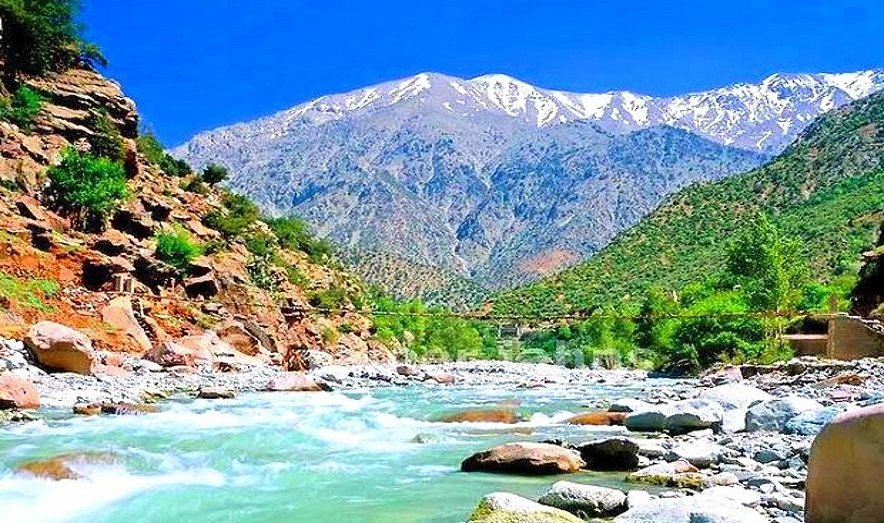
Planning a journey into the dunes requires navigating hundreds of miles of winding mountain passes, cedar forests, and ancient palm oases before you even reach the sand. If you want to experience the transition from the medina alleys of Fes to the silence of the Sahara without the stress of logistics, our private tours at Morocco Moment Tours handle every detail. We design custom itineraries featuring comfortable private transport, experienced local drivers, and hand-selected desert camps tailored entirely to your pace.