November settles over northern Morocco with a quiet, amber light that changes everything. While the summer months bring a relentless, baking heat that turns the ancient alleyways of the imperial cities into sun-trapped corridors, late autumn arrives as a profound relief. For travelers looking past the crowded itineraries of July and August, this shoulder season reveals a more authentic, breathable Morocco. At Morocco Moment Tours, based right here in the heart of the spiritual capital, we find this is when our guests truly fall in love with the rhythm of the historic north.
The Golden Hours of the Fes Medina
To experience the Fes el-Bali medina in November is to experience it without the oppressive midday glare. Mornings begin with a crisp chill, often around 10°C (50°F), before warming to a comfortable 20°C (68°F) by early afternoon. This weather makes exploring the labyrinth of over 9,000 traffic-free alleyways an absolute pleasure rather than a test of endurance. Without tourists jostling for space, the medieval pulse of the city slows down just enough for you to notice the details: the intricate green and white zellige tilework of the Bou Inania Medersa, the smell of cedarwood shavings drifting from the carpenter’s souk, and the calls to prayer echoing across the valley from minarets that have stood for over a thousand years.
Winter light in Fes is a photographer’s dream. Because the sun sits lower in the southern sky, it casts long, dramatic shadows and bathes the leather tanneries—such as the famous Chouara Tannery near Seffarine Square—in a warm, copper glow. You can stand on the surrounding leather shop terraces, sip fresh mint tea, and watch the artisans treat hides in stone vats without the suffocating heat that intensifies the natural smells during peak summer.
Meknes and Volubilis Without the Crowds
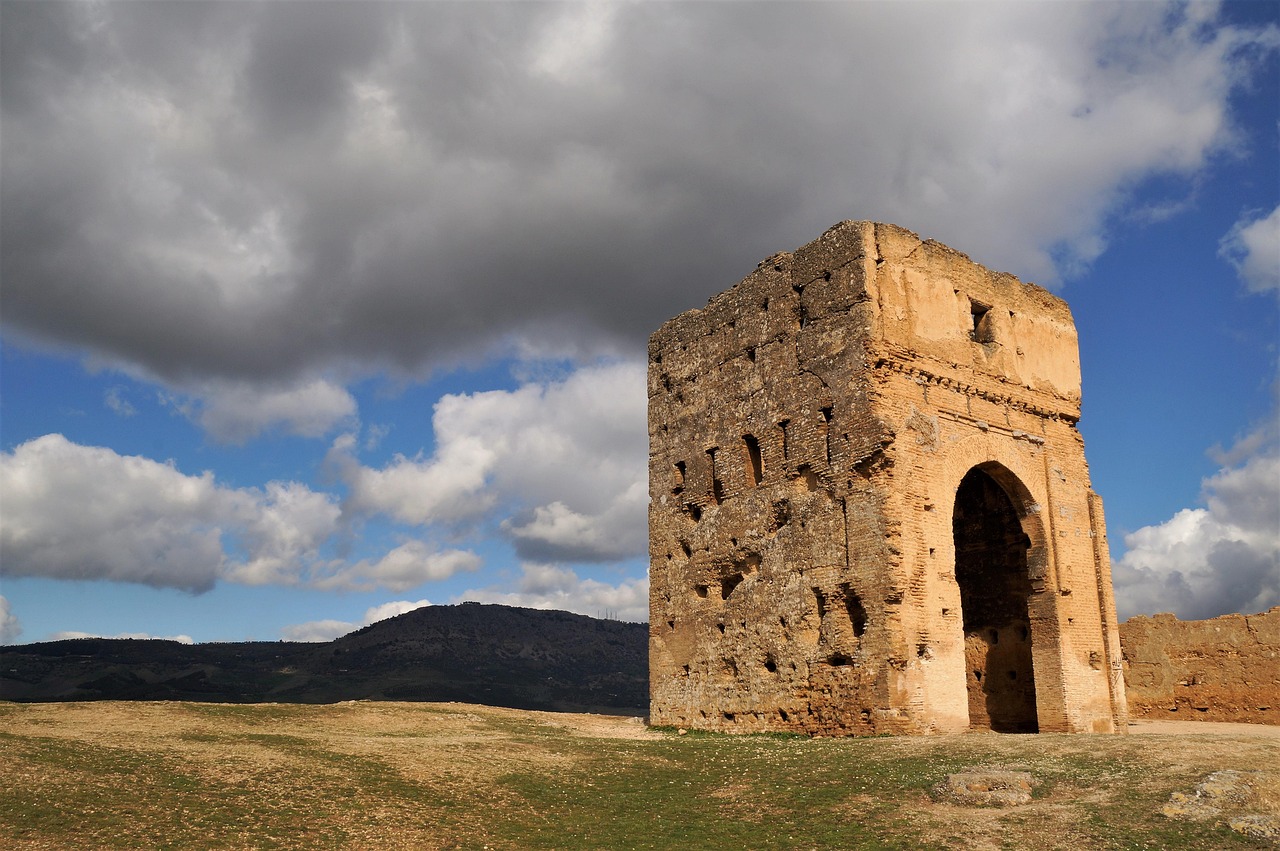
Just a comfortable 60-kilometer drive west of Fes lies Meknes, the humblest and most relaxed of Morocco’s four imperial cities. Reached easily via a 45-minute train ride or a private transfer along the N6 highway, Meknes offers monumental grandeur on an intimate scale. In November, the massive ramparts and the ornate Bab El-Mansour gate feel ancient and cinematic against a backdrop of brooding winter skies. You can wander through the vast ruins of the Herri es-Souani royal granaries and stables at your own pace, uninterrupted by tour bus crowds.
Pair your day in Meknes with a morning trip to Volubilis, the sprawling Roman ruins nestled in the fertile foothills of the Zerhoun massif just 30 kilometers further north. November brings the first green shoots to the surrounding plains, turning the archaeological site into a sea of wild grass framing remarkably preserved mosaics like the Labors of Hercules. Entrance to Volubilis is 70 MAD (about 6.50 EUR), and hiring an official local guide at the site gate costs roughly 150 to 200 MAD (14 to 18 EUR), offering deep historical context on how Roman Mauritania intertwined with local Amazigh culture.
Seasonal Flavors and Cozy Riads
Winter in northern Morocco shifts the culinary landscape toward deeply comforting traditions. As temperatures drop in the evening, local restaurants and hidden riad kitchens trade refreshing summer salads for steaming bowls of bissara—a thick, nourishing split-fava bean soup drizzled with cold-pressed local olive oil and cumin, often eaten for breakfast or lunch in the R’cif quarter for less than 10 MAD (under 1 EUR). Tagines take on richer profiles, incorporating sweet winter squash, prunes, walnuts, and preserved lemons that have cured all summer long.
November also marks the beginning of the citrus harvest. The markets of Fes overflow with exceptionally sweet local oranges and clementines, while street carts sell roasted chestnuts (guerraa) wrapped in old newspaper to keep your hands warm as you navigate the dusk. When night falls and the temperature drops back down, staying in a traditional riad comes into its own. Unlike modern concrete hotels, historic courtyard homes built with thick masonry retain the daytime heat, and sitting around a central courtyard fountain with a pot of hot verbena tea is an essential Fes ritual.
Practical Realities of Winter Travel
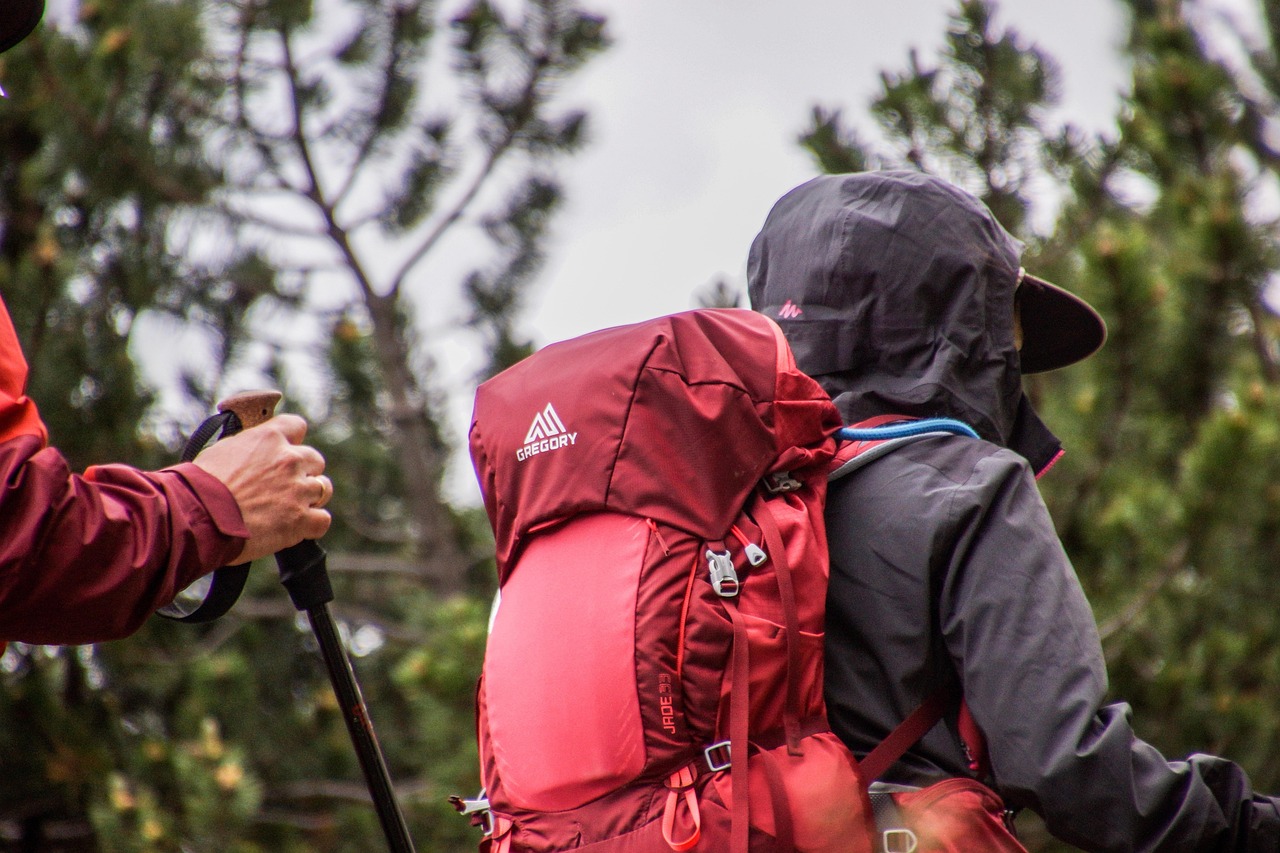
Visiting the imperial cities in November requires a slight shift in expectations and packing strategy. While daytime temperatures are ideal for walking, the mercury drops sharply once the sun sets, frequently falling to 7°C (45°F) or lower. Traditional Moroccan buildings do not feature central heating, though quality riads provide heavy wool blankets, space heaters, and sometimes working fireplaces in the suites. Pack layers, including a sturdy windbreaker or wool coat for evening excursions, and comfortable, water-resistant walking shoes, as polished cobblestones can become slick when the occasional November rain shower passes through.
Logistically, the cooler months make travel smoother. Train travel on the ONCF network from Fes to Meknes or onward to Rabat and Casablanca is reliable, uncrowded, and affordable—a second-class ticket between Fes and Meknes costs around 22 MAD (2 EUR), while first class is roughly 35 MAD (3.20 EUR).
If you want to experience the majesty of Fes and Meknes without the summer rush, November offers the ideal window. At Morocco Moment Tours, we design bespoke private itineraries tailored to your pace, connecting you with expert local guides who call these historic walls home. Reach out to our team based right here in Fes to start planning your personalized winter journey through imperial Morocco.