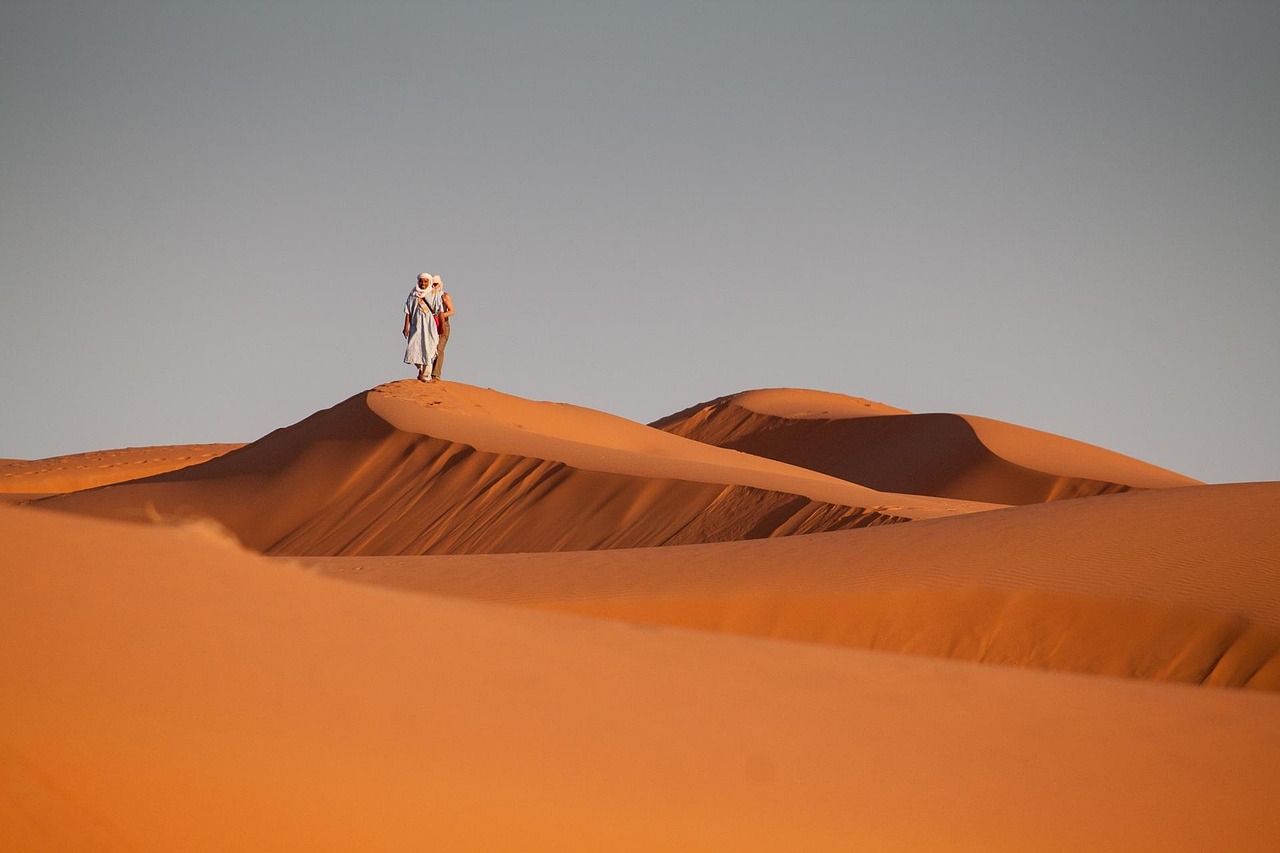
Morocco’s Sahara has long captivated the global imagination, conjuring images of pristine golden dunes, absolute silence, and starlit nights untouched by the modern world. In recent years, as travelers have become more conscious of their ecological footprint, demand for eco-friendly desert camping has surged. Yet, in a landscape as fragile as the Moroccan desert, the line between genuine sustainability and clever marketing can easily blur. Navigating this landscape requires looking past the glossy brochure photos to understand what responsible tourism actually looks like on the ground.
The Realities of Desert Infrastructure
To understand eco-tourism in the Sahara, one must first understand the geography. The two main gateways for desert camping in Morocco are Mergound, bordering the Erg Chebbi dunes, and M’hamid, which opens into the vast, wilder expanses of Erg Chigaga. Erg Chebbi is more accessible, lying approximately 450 kilometers southeast of Fes, a journey of about seven to eight hours by road through the Middle Atlas and the Ziz Valley. Erg Chigaga is much more remote, requiring an off-road journey past Zagora.
Neither location has municipal water mains, sewage systems, or electrical grids. Therefore, any camp claiming to be entirely off-grid is technically correct, but how they manage their basic utilities tells the true story of their environmental impact. Traditional camps often rely heavily on diesel generators running continuously to power lights and Wi-Fi, and transport water in heavy plastic containers from distant towns. True eco-camps invest in high-capacity solar arrays with lithium battery storage for nighttime electricity, utilize greywater recycling systems, and source their water responsibly. When evaluating a camp, ask specific questions about their power and waste management rather than relying on buzzwords.
Separating Greenwashing from Genuine Conservation
Greenwashing is prevalent in the travel industry, and the Moroccan desert is no exception. A camp might drop the “eco” label simply because it uses lanterns instead of electric bulbs, while simultaneously leaving a massive carbon footprint through poor waste disposal and excessive single-use plastics.
Authentic sustainable desert camps in Morocco adopt a circular approach to operations. They eliminate single-use plastics entirely, replacing them with glass bottles filled with locally filtered water. Food waste is managed consciously; organic scraps are often composted or fed to local livestock, while fresh ingredients are sourced daily from cooperative gardens in nearby oases rather than being trucked in from distant cities like Marrakech or Casablanca. Furthermore, authentic operators respect the local ecosystem by restricting vehicle movement. Driving buggies and quad bikes directly over the dunes destroys the fragile micro-habitats of desert flora and fauna, whereas responsible camps limit motorized transport strictly to designated tracks.
Supporting Nomadic and Local Communities
Sustainability in Morocco is as much about people as it is about the environment. The desert has historically been home to nomadic and semi-nomadic Amazigh communities whose traditional way of life is increasingly threatened by rapid tourism development.
A truly sustainable desert experience directly benefits the local economy. Many commercial camps are owned by investors from major northern cities who employ transient labor from outside the region, offering minimal wages and little community reinvestment. Conversely, responsible operators partner directly with local families, hiring guides, cooks, and camp staff from neighboring villages such as Hassilabied or Khamlia. Prices for a reputable, quality desert experience typically range from 1,500 MAD to 3,500 MAD (approximately 150 EUR to 350 EUR) per night for a private tent setup, depending on the level of comfort and remoteness. Unusually cheap options—such as 300 MAD desert packages—almost always indicate exploitative labor practices, poor waste management, and heavy environmental degradation. Investing in a fairly priced, locally managed experience ensures that the financial rewards of tourism stay within the communities protecting the desert.
Practical Advice for the Conscious Traveler
Planning a responsible desert trip requires looking beyond standard booking platforms and asking direct questions. When you contact a tour operator, inquire about how they handle human waste, where their food is sourced, and whether their staff are locally hired and fairly compensated. Pack light to minimize vehicle weight, bring a reusable water bottle, and remember to take all personal trash with you, especially items like batteries or wet wipes that do not decompose easily in the arid climate. By trading superficial luxury for mindful engagement, travelers can experience the profound beauty of the Sahara while helping to preserve it for generations to come.
At Morocco Moment Tours, based right here in Fes, we believe that discovering the Sahara should be a deeply respectful and authentic experience. Our private desert journeys are meticulously designed to connect you with the genuine rhythms of the desert, partnering exclusively with locally owned camps that prioritize environmental stewardship and fair community support.