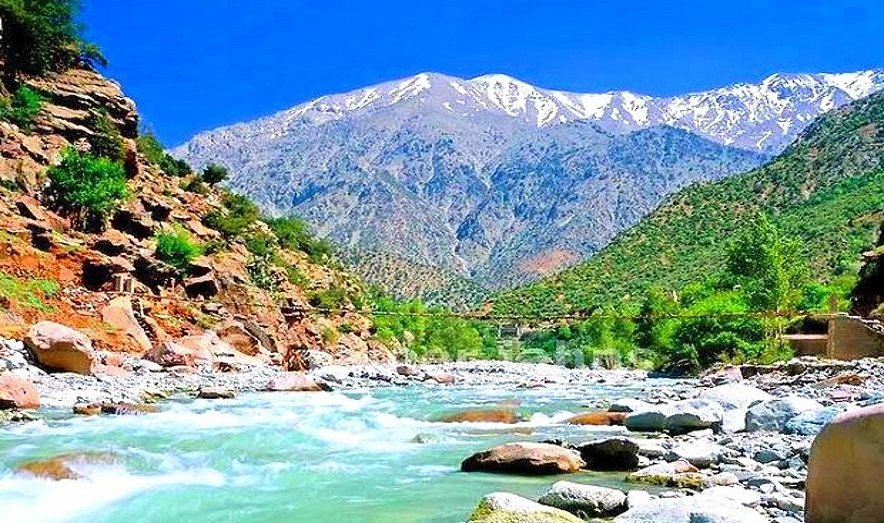
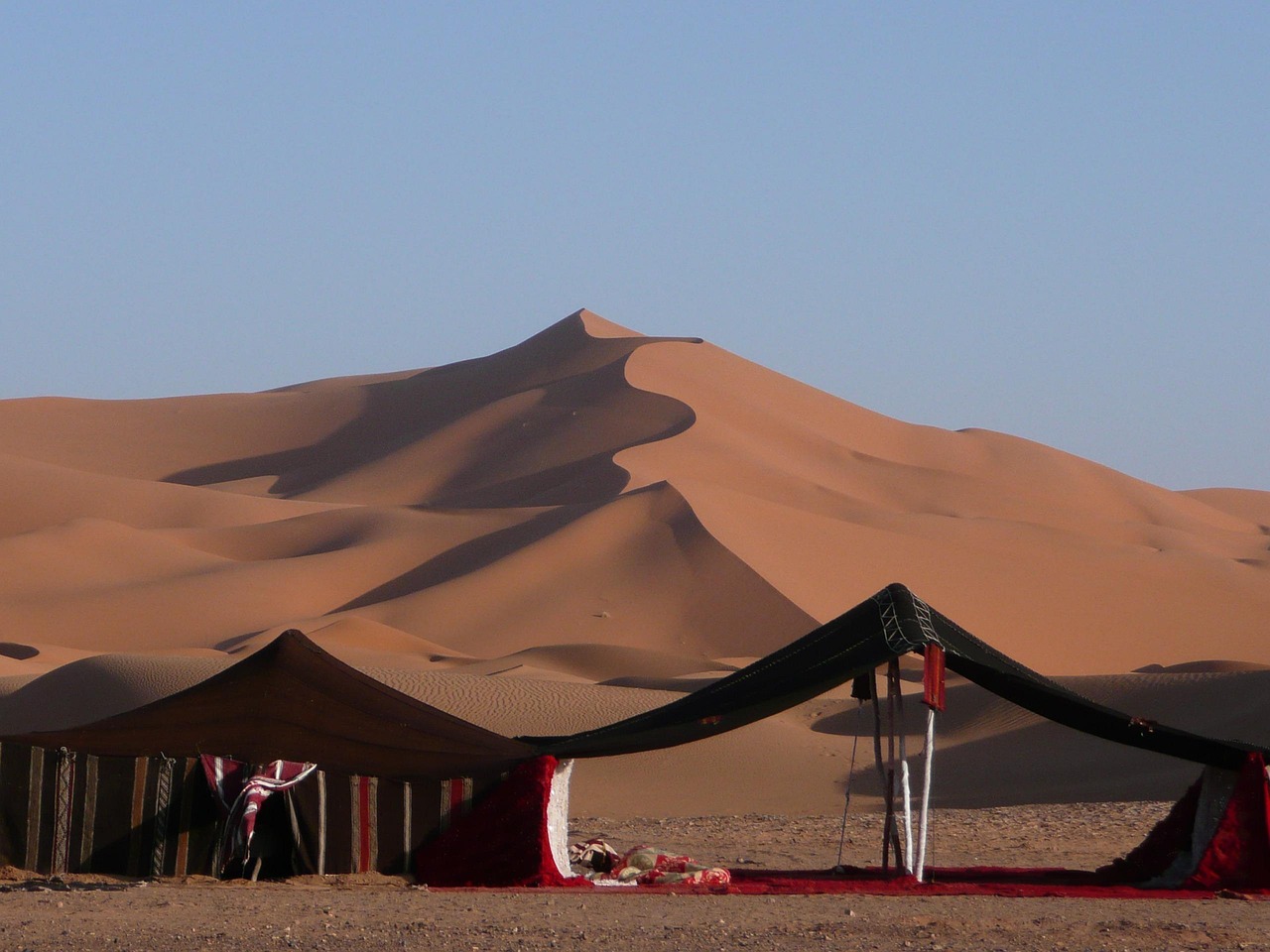
Stepping out of a 4x4 vehicle onto the soft, cool expanse of the Erg Chebbi or Erg Chigaga dunes feels like arriving on another planet. After hours of traversing the rugged Atlas foothills and the dramatic Ziz Valley, the sudden silence of the Sahara is absolute. For centuries, the nomadic Amazigh—commonly known as Berbers—have called these shifting sands home, mastering an environment of extremes through profound hospitality. Staying overnight in a traditional desert camp is often the emotional high point of a Moroccan itinerary, but navigating this ancient cultural landscape requires a delicate balance of respect, curiosity, and situational awareness.
Understanding Amazigh Hospitality and the Mechanics of Arrival
When you arrive at a desert camp, whether nestled against the 150-meter-high dunes of Merzouga or tucked deep into the wilder expanses of M’Hamid El Ghizlane, you are not merely a hotel guest; you are a protected visitor under traditional nomadic codes. The welcome ritual is virtually unchanged across generations: steaming glasses of atay (maghrebi mint tea, affectionately dubbed “Moroccan whiskey”) poured from a height to create a frothy crown, accompanied by locally harvested dates.
Accepting this tea is the primary pillar of desert etiquette. Refusing it can be misinterpreted as a rejection of hospitality itself. If you prefer less sugar, it is polite to accept the glass graciously and sip moderately rather than push it away.
Logistically, reaching these remote enclaves usually involves a 90-minute camel trek or a 20-minute 400-MAD ($40 USD / €37) 4x4 transfer from the edge of civilization in Merzouga village. Standard tourist camps range from basic nomadic tents with shared facilities to luxury setups featuring private en-suite bathrooms and king-sized beds. Regardless of your camp tier, water is a precious, trucked-in commodity. When brushing your teeth or showering, treat every drop as sacred. Standard tipping etiquette for camp staff—including your camel guide and camp cook—ranges from 50 to 100 MAD per day per traveler, pooled and distributed at departure.
Navigating Modesty and Camp Attire
The Sahara experiences extreme thermal swings: blistering midday sun gives way to near-freezing temperatures once the sun dips below the horizon, particularly between October and April. While international tourists often pack for Instagram aesthetics, dressing with cultural sensitivity ensures you remain respectful of the local staff, who are predominantly traditional Muslim men from surrounding villages like Hassi Labied or Khamlia.
During daylight hours, lightweight, loose-fitting linen trousers and long-sleeved shirts protect against both UV rays and blowing sand. Avoid excessively short shorts or plunging necklines, especially when interacting with camp personnel or villagers during stops. Once inside your private tent at night, standards relax, but communal areas call for modest attire.
When the sun sets and the desert chill sets in, traditional dress becomes both practical and deeply appreciated. Buying or borrowing a heavy woolen djellaba or wrapping a traditional shesh (desert turban) around your face not only protects against the fine, penetrating sand during dune walks but also signals to your hosts that you are willing to embrace their way of life. Ask your guide to teach you the correct nomadic method for wrapping the turban; it is an art form that takes patience and opens the door to warm, lighthearted laughter around the campfire.
The Sacred Rhythm of Drum Circles and Shared Spaces
As night envelops the Sahara, the focal point of the camp shifts from the dunes to the central communal tent or open-air fire pit. Here, the evening meal—usually a slow-cooked lamb or vegetable tagine perfumed with saffron, ginger, and preserved lemons, accompanied by semolina couscous—is served communally or at low wooden tables.
Etiquette dictates eating from a shared tagine using your right hand, utilizing small pieces of crusty Moroccan bread to scoop up vegetables and sauce. Always use your right hand, as the left is traditionally reserved for hygiene. If cutlery is provided, feel free to use it, but making the effort to eat local-style is met with immense appreciation.
Following dinner, the camp staff typically bring out traditional djembe and tarija drums. Music is the heartbeat of desert culture, blending Amazigh rhythms with the spiritual Gnawa heritage of sub-Saharan Africa. Participation is warmly encouraged, but there is a distinct cultural boundary between joining the rhythm and treating the musicians as background entertainment for your personal social media stories. Put the phones away for at least an hour. Listen to the resonance of the drums bouncing off the silent dunes, clap in time, and engage with the staff as human beings. Asking respectful questions about nomadic history, desert survival, or local constellations will quickly transform a standard tourist transaction into a genuine cultural exchange.
Experience the breathtaking landscapes and profound traditions of the desert firsthand with Morocco Moment Tours. Our private, customized itineraries from Fes ensure authentic, respectful, and seamless journeys into the heart of the Sahara, guided by local experts who call these ancient sands home.