Meknes often lives in the shadow of its grander imperial neighbors, yet its monumental defensive perimeter remains one of the most astonishing achievements of seventeenth-century Moroccan architecture. While most visitors flock straight to the bustling Bab el-Khemis or the ornate Bab Mansour, the true scale of Sultan Moulay Ismail’s ambition reveals itself along the quieter stretches of the city’s twenty-five miles of ramparts. Here, where massive earthen walls meet the quiet Moroccan countryside, history feels entirely uncurated.
Tracing the Imperial Footprint at Bab al-Souar
Begin your walk in the late morning near the northern edge of the old medina, where the city walls begin their sweeping curve toward the agricultural plains. Bab al-Souar, or the Gate of Rings, stands as a masterclass in defensive engineering. Unlike the highly photographed ceremonial gates designed to intimidate foreign ambassadors, Bab al-Souar was built for tactical control, featuring a bent entrance designed to halt advancing cavalry.
The immediate area offers a striking contrast between ancient masonry and modern daily life. Local farmers often tether their donkeys against the weathered pisé (rammed earth) walls, creating a timeless tableau against the ochre backdrop. Walking eastward from this gate toward the royal granaries, you will cover roughly 1.5 kilometers along a well-worn dirt path that hugs the exterior of the ramparts. Allow about 45 minutes for this stretch, as the shifting light on the lime-washed fortifications provides exceptional photography opportunities without the distraction of heavy tourist crowds.
The Quiet Majesty of Borj Bel Kari
Continuing along the northern perimeter, the ramparts swell into the impressive bastion known as Borj Bel Kari. Constructed in the late seventeenth century to protect the northern flank of Moulay Ismail’s vast imperial city, this massive defensive tower now houses a fascinating museum dedicated to traditional Moroccan ceramics.
The walk from Bab al-Souar to Borj Bel Kari takes approximately twenty minutes on foot (about 1.2 kilometers). As you approach the bastion, notice the subtle shifts in the construction materials—local stone gives way to thick layers of beaten clay mixed with straw and lime, a technique that has allowed these walls to absorb seismic activity for centuries. Entry to the bastion and its ceramic exhibits is nominal, typically costing around 20 MAD (approx. 2 EUR), and it provides access to the upper rampart walk. From this elevated vantage point, you can gaze across the fertile Saïss plain and truly grasp why Moulay Ismail chose Meknes as his impregnable capital.
Navigating the Mellah Perimeter and Bab Berdaien
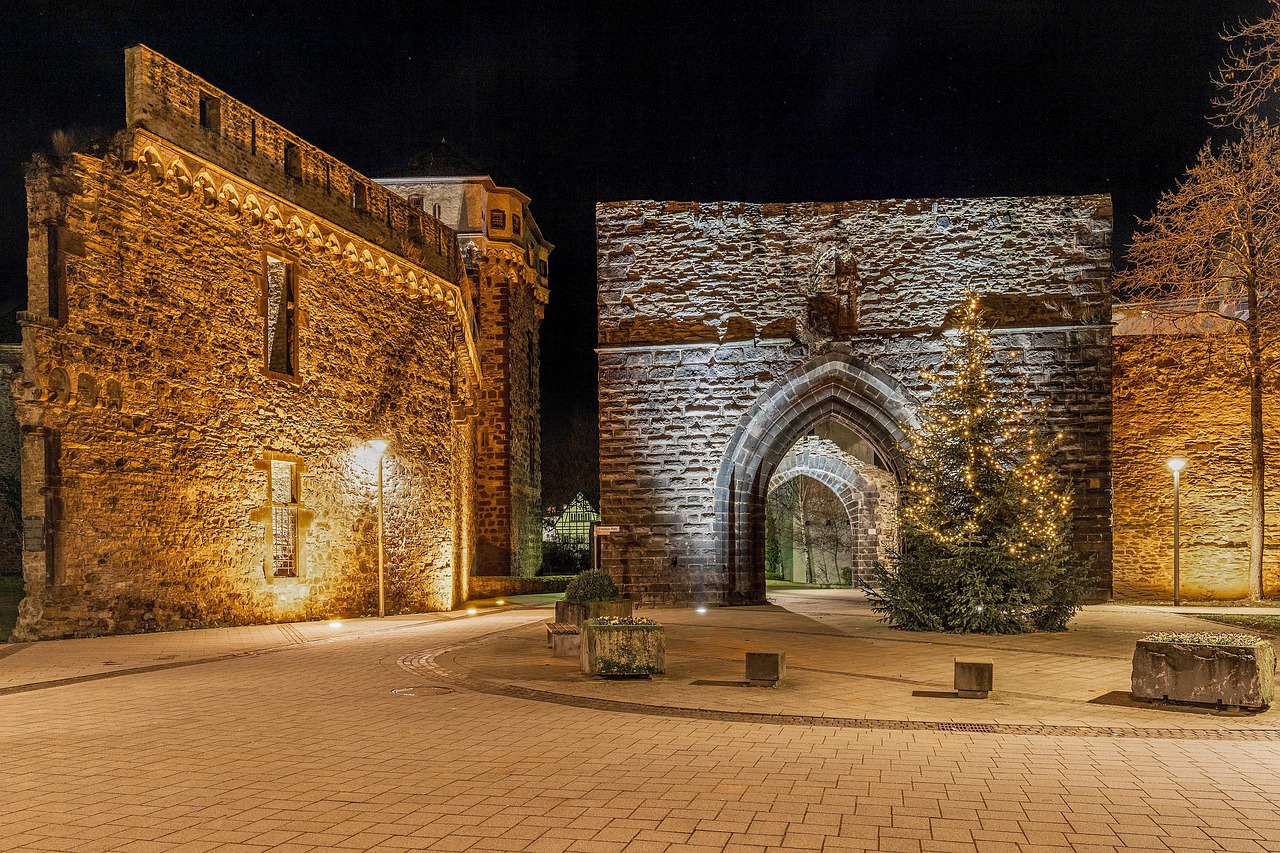
From the northern bastions, head south toward the Jewish quarter, or Mellah, where the character of the ramparts changes dramatically. The walls here are pierced by smaller, less grandiose portals that once connected distinct communities within the imperial sphere of influence. Conclude your architectural circuit at Bab Berdaien, the monumental northern gate leading to the shrine of Moulay Ismail’s favorite saint.
Bab Berdaien is less crowded than Bab Mansour, allowing you to appreciate the intricate zellij tilework and soaring horseshoe arches at your own pace. The final leg from Borj Bel Kari to Bab Berdaien is roughly 2 kilometers and takes about 30 minutes of steady walking through quiet residential quarters. If you prefer to pace yourself, a small blue grand taxi from the medina center to Bab Berdaien costs around 10 to 15 MAD (approx. 1 EUR), though walking remains the best way to absorb the shifting architectural details of the exterior facade.
Practical Tips for Exploring the Ramparts
Meknes enjoys a drier climate than coastal Morocco, but the sun along the exposed northern walls can be punishing, even in spring and autumn. Wear sturdy walking shoes, as the path directly adjacent to the ramparts transitions frequently from paved lanes to uneven dirt tracks and loose gravel. Early morning or late afternoon offers the most comfortable temperatures and the warmest light for viewing the fortifications. While official guides are readily available near the main squares, exploring these quieter stretches independently is entirely straightforward if you rely on a reliable offline map. Respect local privacy when walking near residential sections built directly against the ancient masonry, and always ask permission before photographing local residents tending their small plots near the walls.
Uncovering the monumental history of Meknes requires looking beyond the main tourist squares and venturing along its quiet, imposing ramparts. To experience these hidden architectural treasures with the depth, context, and seamless logistics they deserve, let Morocco Moment Tours design a personalized private excursion tailored precisely to your travel rhythm.