Morocco moves at a rhythm that resists the window of a tour bus. While highways slice efficiently through the landscape, the true pulse of the kingdom is found where the tarmac ends—along the brass-studded medina alleys of Fes and the sun-bleached coastal fortifications of Rabat. Choosing to explore Morocco’s Imperial Cities on foot and by the national rail network, Al Boraq and Al Atlas, is not merely an environmental choice. It is an invitation to travel at human scale, trading anonymous transit for the daily theater of Moroccan life.
Fes: The Labyrinth on Foot
There are nearly ten thousand alleys in the ancient medina of Fes el-Bali, and none of them accommodate a car. To walk here is the only way to understand it. Stepping through the grand horseshoe arch of Bab Bou Jeloud, the noise of modern traffic vanishes, replaced by the clatter of metal hammers on copper in Seffarine Square and the echoing call to prayer bouncing off terracotta rooftops.
Navigating the world’s largest living medieval Islamic city requires patience and a good pair of walking shoes. The stone pathways are slick with centuries of foot traffic, occasionally sharing space with laden donkeys carrying everything from fresh mint to newly woven carpets. While GPS signals famously die within these high-walled corridors, getting lost is part of the initiation. When you inevitably lose your bearings, local youth may offer directions; a polite “la shukran” (no thank you) or a small tip of 5 to 10 MAD if they guide you to a landmark usually suffices. To dive deeper into the artisan quarters without the stress of navigation, a half-day private walking tour with a local guide ensures you respect sacred spaces like the Al-Qarawiyyin Mosque—which non-Muslims can admire from the thresholds—while uncovering quiet courtyards most visitors miss.
The Iron Road: Riding the Al Atlas and Al Boraq Trains
Connecting Morocco’s imperial capitals by rail is a masterclass in modern infrastructure meeting scenic wanderlust. Operated by the national railway office, ONCF, the trains are clean, punctual, and remarkably affordable.
From Fes, the journey westward to Meknes takes a mere 35 minutes aboard an Al Atlas train, with second-class tickets costing around 22 MAD (approx. 2 EUR) and first-class offering guaranteed seating for roughly 35 MAD. For the longer stretch from Fes to Rabat, the journey takes about three hours through rolling olive groves and the fertile Saïss plain. If you wish to continue onward to Marrakech, the total cross-country transit takes roughly seven hours.
For the ultimate high-speed experience, the Al Boraq high-speed rail line whisks passengers from Rabat down to Casablanca in just 50 minutes at speeds up to 320 kilometers per hour. Booking first-class tickets in advance via the ONCF-Voyages website guarantees comfort, quiet carriages, and power outlets, allowing you to watch the changing Moroccan landscape—from mountain foothills to Atlantic coastlines—unfold from your window while sipping a mint tea from the onboard cart.
Rabat: The Calm Imperial Capital
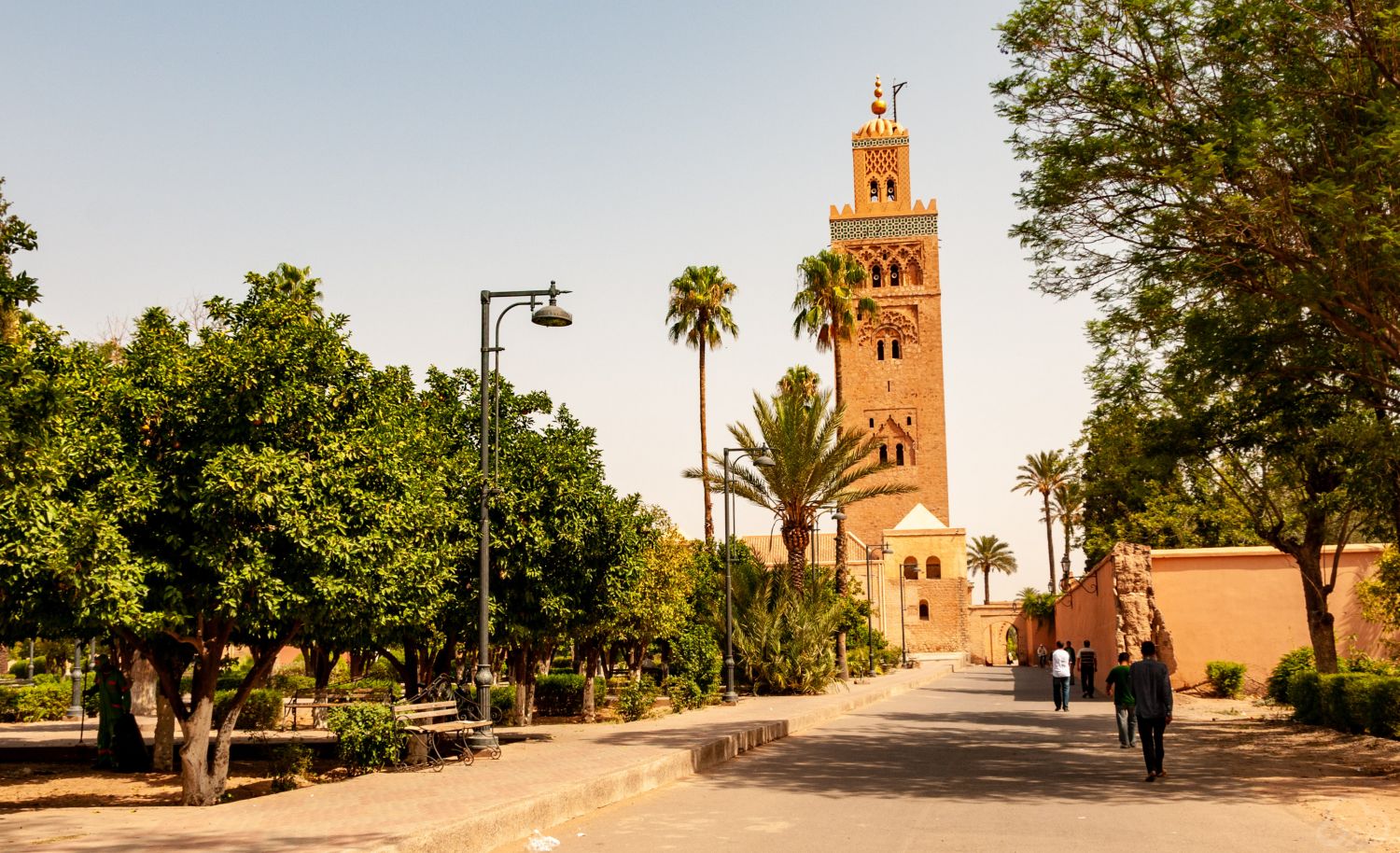
Stepping off the train at Rabat-Ville station places you right in the heart of the administrative capital, just a ten-minute walk from the leafy Avenue Mohammed V. Unlike the sensory overload of Fes, Rabat offers a breezy, sophisticated counterpoint. It is an imperial city best appreciated on foot, shaded by palm-lined boulevards and the Atlantic trade winds.
Start your morning at the Kasbah of the Udayas, a striking 12th-century fortress painted in crisp bands of white and Andalusian blue. Walking through its quiet residential lanes leads you to the Moorish Gardens, an oasis of calm overlooking the Bou Regreg River. From here, a short seaside walk brings you to the Hassan Tower and the Mausoleum of Mohammed V, where white-robed sentry guards stand motionless outside the marble pavilion. Because Rabat is compact and largely flat, you can easily cover the highlights in a day of walking, supplemented by the modern tramway network if your feet grow tired. Fares for the tram are a flat 6 MAD per ride, making sustainable urban transit seamless.
Practical Steps for the Conscious Traveler
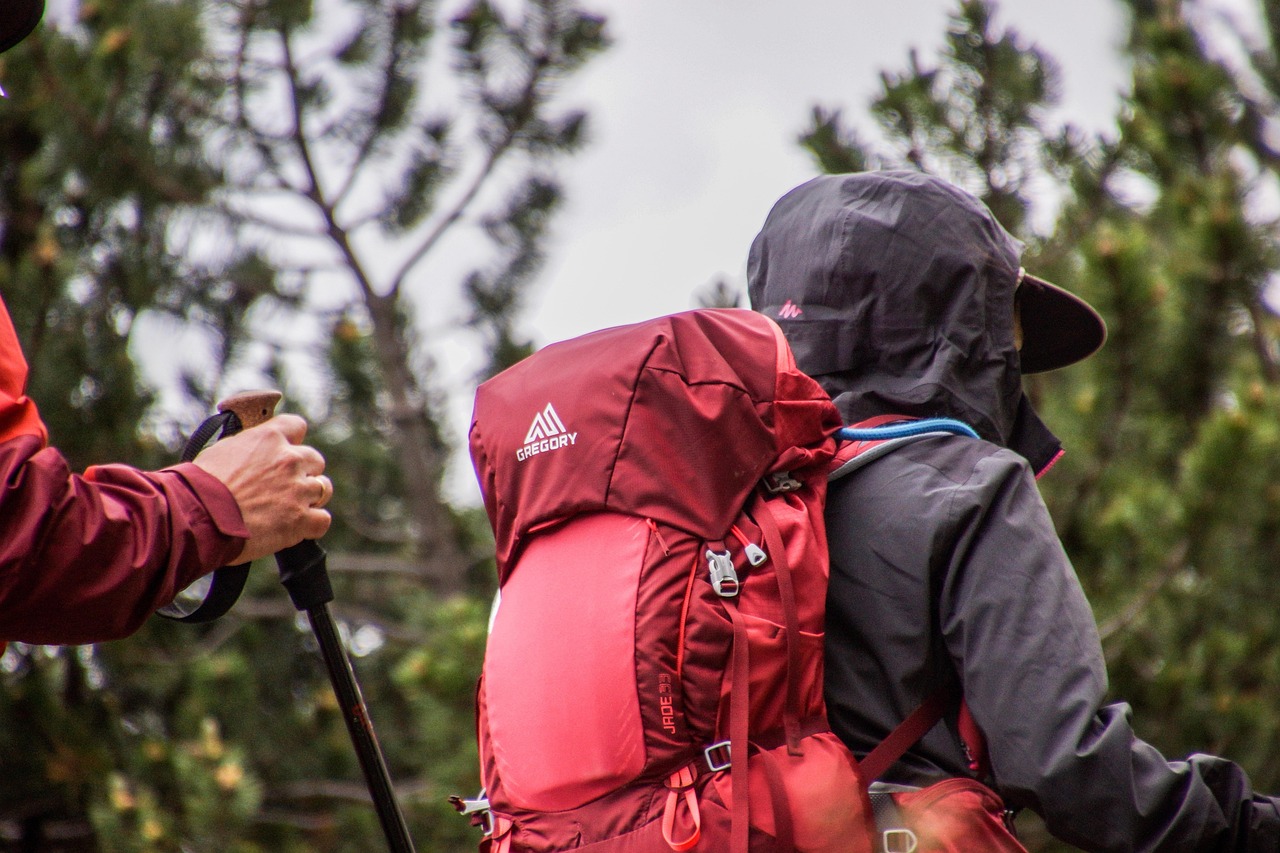
Embracing slow travel in Morocco requires a shift in expectations. Trains can occasionally experience delays during peak holiday periods like Eid, so always build a buffer into your itinerary. Pack light; cobblestones, train station staircases, and historic riad courtyards are unforgiving to heavy rolling luggage, making a durable backpack or duffel essential. When staying in historic properties, support sustainability directly by booking traditional riads that utilize solar water heaters, source organic ingredients from local souks, and employ neighborhood staff. By trading private vehicle transfers for the railway and your own two feet, you reduce your carbon footprint while experiencing the authentic, unfiltered rhythm of the kingdom.
For those who want the freedom of independent foot and rail travel combined with the seamless logistics of local expertise, Morocco Moment Tours designs bespoke private itineraries centered in Fes. We handle the train bookings, handpick sustainable boutique riads, and pair you with knowledgeable local guides, allowing you to experience the true heart of Morocco effortlessly.